







Food is one of the most fundamental necessities of human life, yet its consumption patterns reveal stark contradictions. On one hand, food security systems at local, national, and global levels ensure surplus production, buffer stocks, and active market participation. On the other, hunger and malnutrition persist, while obesity has become a greater health crisis than starvation. The 2022 State of Food Security and Nutrition in the World (SOFI) report highlight the alarming rise in food insecurity and the unaffordability of healthy diets. Similarly, a recent Lancet study underscores that obesity now poses a greater global threat than hunger, with over a billion people classified as clinically obese. These realities call for a paradigm shift in how we perceive food—not merely as a commodity but as an investment in human well-being. This is where the concept of needo-consumption within the Needonomics framework becomes crucial.
Understanding Needo-Consumption of Food
Needo-consumption of food refers to a mindful, righteous, and judicious approach to eating—ensuring more food reaches the hungry while reducing excess consumption that leads to obesity. It promotes balanced, conscious eating habits that enhance both physical and mental well-being. This concept aligns with the UN Sustainable Development Goal of “Zero Hunger,” which not only aims to eliminate under-nutrition but also to combat over-nutrition and all forms of malnutrition by 2030.
The contrast between different eating cultures is evident across the world. Having visited the United States in 1983 as a Rotary Foundation Awardee, I observed a stark difference in dietary habits. Traditionally, Indians believe in “eating to live,” while many Americans appear to “live to eat.” This experience reinforced my belief in an eclectic approach to food consumption—one that treats food as an investment to enhance efficiency, productivity, and happiness. By practicing needo-consumption, individuals can cultivate a lifestyle that nourishes both body and mind while avoiding waste and overindulgence.
Gita’s Perspective on Food Consumption
Gita, the cornerstone of the Needonomics School of Thought, categorizes food into three types:
- Sattvic Food (Mode of Goodness): Sattvic foods, such as grains, pulses, vegetables, fruits, milk, and nuts, increase life expectancy, promote health, and bring happiness. These wholesome foods are pure, natural, and beneficial for both physical and mental well-being. (Bhagavad Gita 17.8)
- Rajasic Food (Mode of Passion): Foods that are excessively bitter, spicy, salty, or hot are rajasic. These include meat, fish, onions, garlic, alcohol, and overly processed foods. They contribute to restlessness, aggression, and disease. (Bhagavad Gita 17.9)
- Tamasic Food (Mode of Ignorance): Stale, decomposed, or impure foods—such as leftovers, processed junk food, and heavily fried items—lead to lethargy, illness, and spiritual decline. (Bhagavad Gita 17.10)
Needo-consumption in tune with the sermons of Gita treats food with respect, consume responsibly, and distribute equitably.
Fasting and Feasting: A Needo-Consumption Approach to Discipline and Devotion
In the framework of needo-consumption, fasting is not merely about abstaining from food; it is an opportunity to cultivate self-discipline, mindfulness, and inner strength. Observing Ekadashi fasting helps us gain mastery over our bodily urges, reinforcing willpower and conscious consumption rather than being controlled by cravings.
However, the true essence of fasting is often misunderstood. If we struggle to fast due to lack of willpower, it can feel like self-torture. On the other hand, if we fast successfully but with pride, it may fuel the ego rather than spiritual growth. The Needonomics perspective suggests that fasting should be approached with balance and purpose—not as an extreme act of deprivation, but as a means of mindful consumption that enhances both physical and spiritual well-being.
Feasting on Dwadashi with nourishing foods like rice aligns with the natural cycle of regulated consumption—fasting to cleanse, followed by feasting to replenish. This practice, when done mindfully, ensures nutritional balance and prevents both excessive indulgence and unhealthy deprivation. Thus, in the spirit of needo-consumption, fasting and feasting are not opposites but complementary practices that guide us toward moderation, self-control, and holistic well-being.
From Passive Consumers to Food Citizens
Modern societies are witnessing a shift from passive food consumption to active food citizenship. Needo-consumption encourages individuals to engage thoughtfully with food choices—prioritizing health, sustainability, and ethical sourcing. Instead of being driven by impulsive cravings or commercial advertisements, people should focus on holistic well-being.
To settle the debate on an ideal diet, we must recognize the importance of optimal meals that incorporate a balanced mix of fruits, vegetables, pulses, dairy (milk, curd, and butter), salads, and whole grains. Traditional diets, backed by centuries of wisdom, often provide better health outcomes than modern nutritional science’s fragmented recommendations.
While vegetarianism is widely promoted for its health and environmental benefits, it is equally important to respect individual dietary choices. Imposing food restrictions based on ideology rather than scientific or ethical reasoning is counterproductive. A person’s diet is influenced by their environment, culture, and personal needs and these factors must be acknowledged.
Food as an Investment in Public Health
Ensuring public health requires a well-balanced approach to food consumption. While free food distribution programs may offer temporary relief for the poor, they do not provide a sustainable solution. Instead, improving purchasing power and making healthy food affordable are key strategies. Economic policies should focus on fair food pricing, reducing food wastage, and encouraging nutritious diets.
In India, poverty has traditionally been defined by calorie intake—less than 2,400 calories per day in rural areas and 2,100 in urban areas. However, most people do not count calories when choosing their meals. This highlights the need for a shift from a purely quantitative to a qualitative approach to food security.
Adopt Needo-Consumption as a Lifestyle
To conclude, food is more than just sustenance, an investment in personal health, societal well-being, and sustainability. Needo-consumption encourages a mindful, responsible approach to eating, ensuring a balance between nutrition, ethics, and sustainability. By embracing this philosophy, individuals can enhance their well-being while contributing to a fairer, healthier world. Whether through traditional diets, conscious eating, or reducing food waste, adopting needo-consumption as a lifestyle can help build a healthier and more harmonious society.
In a world where hunger and obesity coexist, the need for a balanced, need-based approach to food consumption has never been more urgent. Let us eat not just to satisfy hunger, but to nourish our bodies, strengthen our minds, and invest in our overall well-being. In this spirit, fasting and feasting are not opposites but complementary practices—fostering moderation, self-discipline, and holistic well-being. When approached mindfully, they ensure that food serves not only as nourishment but as a conscious investment in health, spirituality, and sustainable living.
References
- M. M. Goel, Viksit Bharat @ 2047: Gita-Inspired Needonomics for Overcoming Challenges, Seizing Opportunities & Charting the Roadmap with audio podcast February 17,2025
- M. M. Goel, Ethical Pathways for IMF and World Bank Prosperity Sharing: Niti Gun Insights under the Needonomics Framework, with audio podcast January 15, 2025.
- M. M. Goel, Vikshit Bharat: Bridging Dattopant Thengdi’s Vision with Needonomics for Inclusive Growth with audio podcast, December 16,2024.
- M. M. Goel, Needonomics for Teachers and Researchers in Economics Part 3, November 26,2024.
- M. M. Goel, Needonomics for Teachers and Researchers in Economics Part 2, November 12,2024.
- M. M. Goel, Needonomics for Teachers and Researchers in Economics Part 1, October 16,2024.
- M. M. Goel, Lessons of Needonomics for Service Sector in Present Times, ( with audio podcast) October 02,2024
- M. M. Goel, Revitalizing Indian Manufacturing with Needonomics: Leveraging Labor for Viksit Bharat (with audio podcast), September 18,2024
- M. M. Goel, Needonomics: Implications for Agriculture, (with audio podcast) September 07,2024.
- M. M. Goel, Needonomics: Balancing “How” and “Why” in an era of Greedonomics and AI, August 17, 2024
- M. M. Goel, Needonomics and Its Implications for the Indian Systems of Medicine: A Path to Sustainable Health, August 17,2024
- M. M. Goel, Needonomics: Implications for the 16th Finance Commission of India, ( with audio podcast), August 05,2024
- M. M. Goel, Needonomics: Implications for Needo-Governance in a Democratic World, (audio podcast), July 18,2024
- M. M. Goel, Needonomics: The Key to Thriving in a Knowledge-Based Economy,(audio podcast) July 08, 2024.
- M. M. Goel, Needonomics: Implications for Traders and Exporters in a Changing Economic Scenario (with audio podcast) June 19, 2024.
- M. M. Goel, Needonomics: Implications for Distributors in Changing Economic Scenario, (with audio podcast) June 04, 2024
- M. M. Goel, Needonomics: Implications for Producers in Changing Economic Scenario, (with audio podcast) May 14,2024
- M. M. Goel, Needo-Consumption: Implications for Global Consumers, April 22,2024
- M. M. Goel, Needonomics: SWOC ANALYSIS (with audio podcast) April 9, 2024.
- M. M. Goel, Unveiling the Perils of Greedonomics, (with audio podcast) March 11, 2024.
- M. M. Goel, Needonomics: Queen of Social Sciences for Global Economy, (with audio podcast) February 26, 2024.
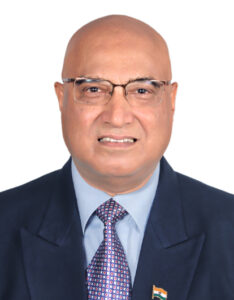 Dr. M M Goel | About the Author Propounder Needonomics, Professor Madan Mohan Goel is a superannuated Professor of Kurukshetra University. He is former Vice-Chancellor, Starex University, Gurugram, Jagannath University Jaipur, RGNIYD (GOI), Pro Vice-Chancellor VKSU Ara, Dean of Colleges & Social Sciences, Chairman, Dept. of Economics & Dept. of Journalism KUK He was the first ICCR Chair Professor in South Korea. Presently he is an Adjunct Professor at the Institute of Advanced Sciences Dartmouth, USA. He is honoured with the London Organization of Skill Development (LOSD) Excellence Award 2023, Professor J.K. Mehta Academic Excellence Award 2023, Rashtrapita Rashtriya Samman 2023 for propounding Needonomics and Gurukul Gyanjyoti Award (2024). His area of research is Economics of HRD & Indian Economy. He has 483 publications and guided 25 PhD and 25 MPhil Scholars. |
If you would like to get connected to Dr M M Goel write to editor@acadnews.com.