

















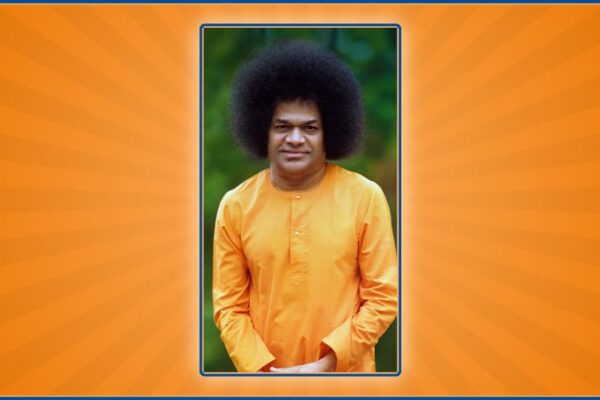
All for the Children, and for All the Children
At Prasanthi Nilayam, Sri Sathya Sai Vidya Vahini’s collaborators conference brought together NITI Aayog, ISRO, IIT Madras, Deloitte and PwC around one question: how does India’s largest DIKSHA content contributor reach the child still waiting? A new Inclusive Education portal launched, and an MoU with SSSIHL set the next chapter in motion.

Intention = Perception
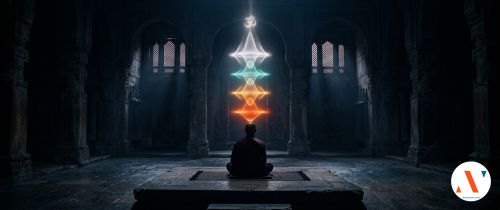
Every conversation you have had — at work, at home, with a stranger — was shaped by two silent parameters. The first: how much of your true intention actually left you. The second: what the other person’s conditioning did to what arrived. Closing this gap is not a soft skill. It is the hardest precision work in human life.

When the Premise Is Wrong, So Is the Joke
When a person of Vice Chancellor-level academic standing finds it necessary to formally correct a false narrative about their sacred tradition – and is met with accusations of racism – it is a measure of how normalised the casual mockery of Sanatan Dharma has become, even in educated, professional circles.

Build the Persona First: Inside AcadNet’s National Employability Forum 2026
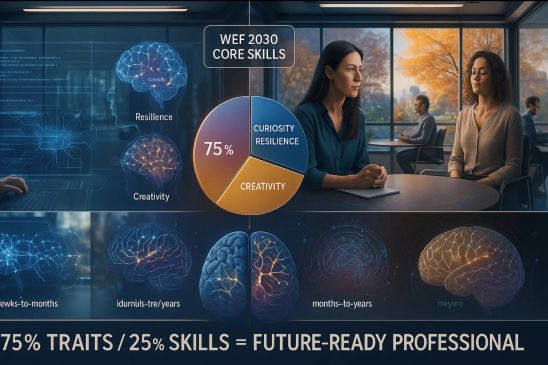
2,157 participants. Nine live polls. And a twist buried in the data: the panelists themselves voted anonymously, and every one confirmed the very persona-first thesis they argued on stage. Inside AcadNet’s National Employability Forum, where the IACT framework was validated four independent ways in a single morning.

AI in the classroom, the human at the centre
Indian faculty have embraced AI faster than their institutions can govern it. A new QS I-GAUGE survey of 1,100+ educators reveals high confidence alongside real concern about independent thinking and bias. Prof. M.M. Ananth’s question cuts deeper: are we preparing learners for the unknown, or just catching up on the known?

Why Your Guru Is Called the Remover of Darkness
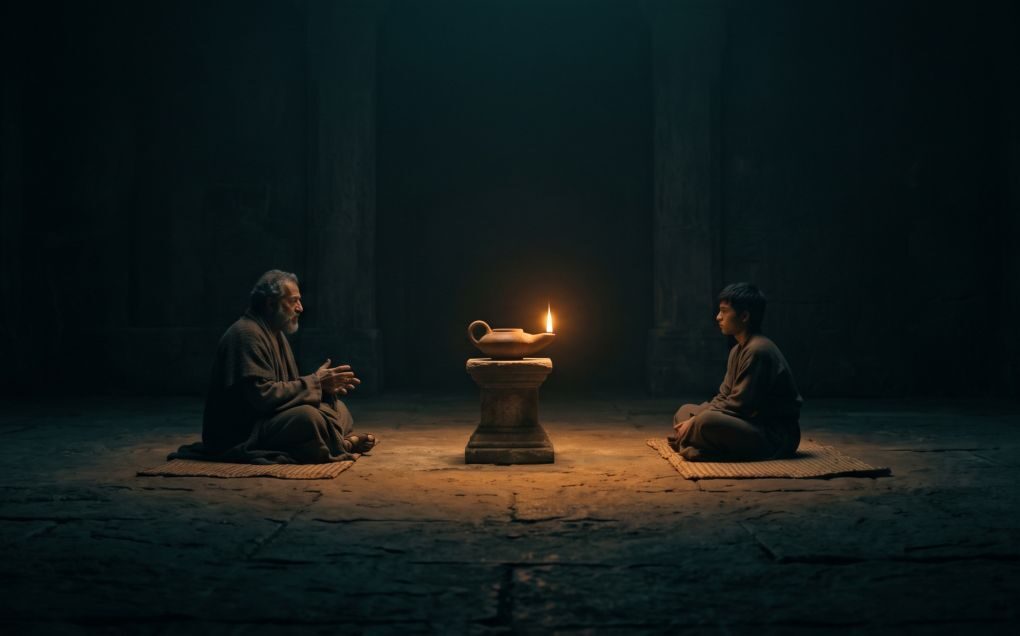
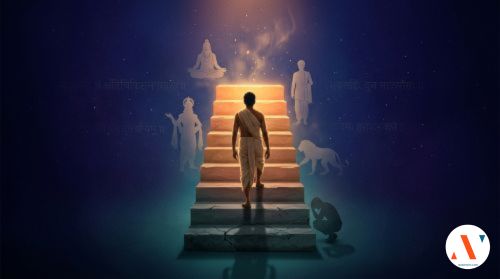
The word Guru holds a complete philosophy in two syllables. Gu means darkness. Ru means its remover. But what darkness? The Upaniṣads answer precisely — ignorance, the inability to see Truth. And Truth is that which never changes across time or space. The Guru removes the veil that hid it.

Vikram-1: How an Indian Startup Reached Orbit
Skyroot Aerospace’s Vikram-1 reached orbit on July 18, 2026, making India the third nation with private orbital launch capability. The four-stage, carbon-composite rocket carried four payloads to 450 km LEO after eight years of development. AcadNews examines the engineering, the IACT lens on the achievement, and what’s next.

Daily Education Roundup: India & Global
India and global education converge on quality over volume: IIM Bangalore heads to Indonesia, AICTE shuts 58 engineering colleges, NCTE tightens teacher-training entry, and IIM Kozhikode sets a 66% women record. Globally, the OECD reframes AI as a guided co-instructor, UNESCO flags 273 million children out of school, and Australia’s visa hikes reshape study-abroad pathways.
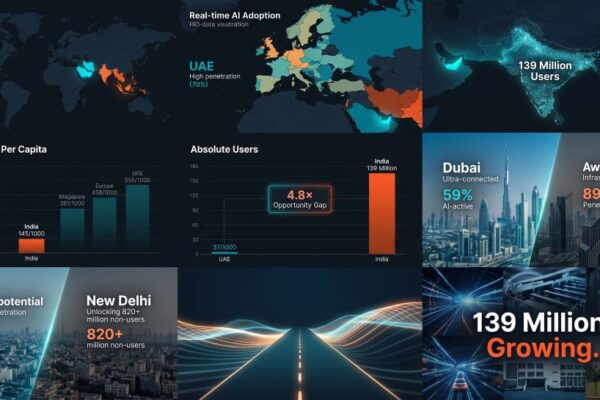
The Global AI Adoption Paradox
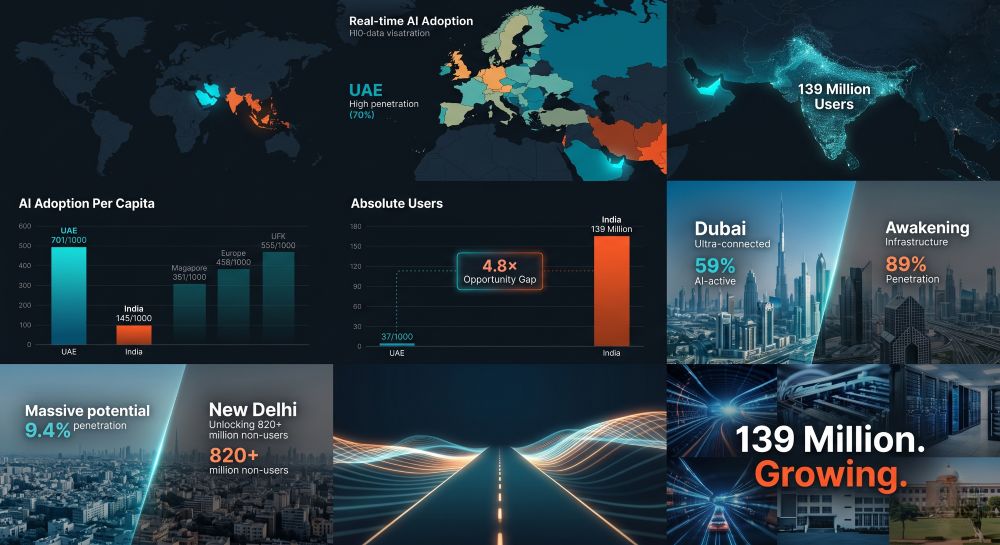
India’s 139.2 million AI users represent the world’s largest active base, yet only 9.43% penetration reveals massive growth potential. While UAE leads in per-capita adoption, India’s demographic advantage unlocks an unprecedented opportunity: 820+ million non-users in the working-age population ready for AI-integrated learning and workforce development.

Reclaiming Dravida
For 170 years, Bishop Caldwell’s 1856 etymology of Drāviḍa — Tamiḻ → Damiḷa → Drāviḍa — has been treated as settled. It isn’t. A Sanskrit-internal reading, Tri-vidā (knowers of the three), anchored in Sage Agastya, the Sanskrit-speaking Vedic rishi who carried letters southward, fits the civilisational reality far more closely.
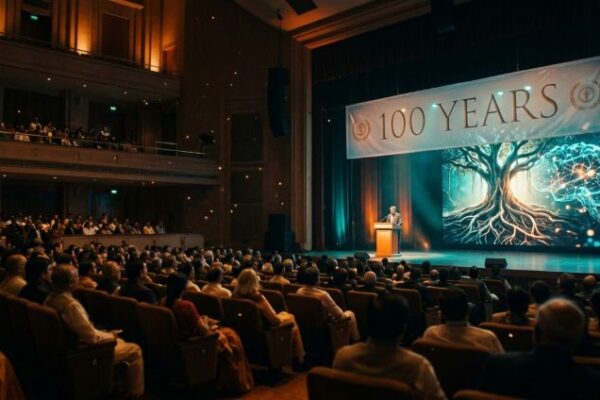
A Century of AIU: Indian Higher Education Confronts Its Next 100 Years
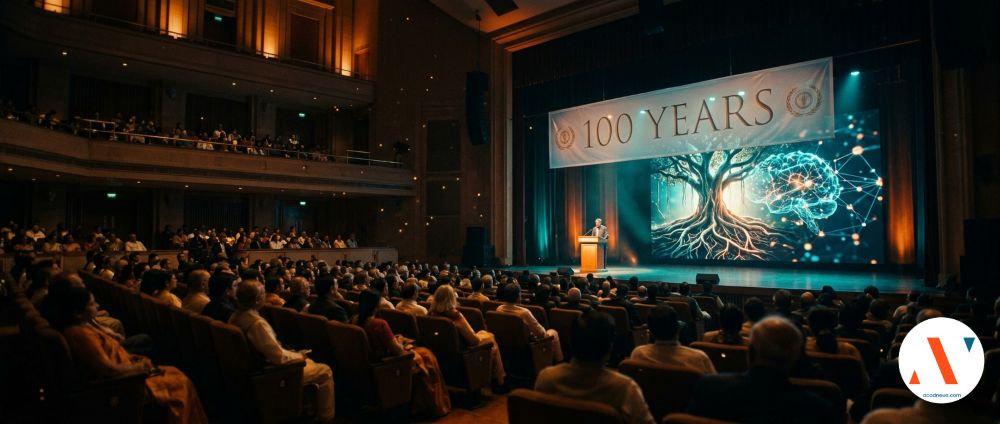
A century ago, AIU was founded on a quiet faith — that the universities of Bharat, working together, could shape the destiny of a nation not yet free. At its 100th AGM in Pune, that faith met a sharper question: can the Indian university redesign itself fast enough for Viksit Bharat 2047?
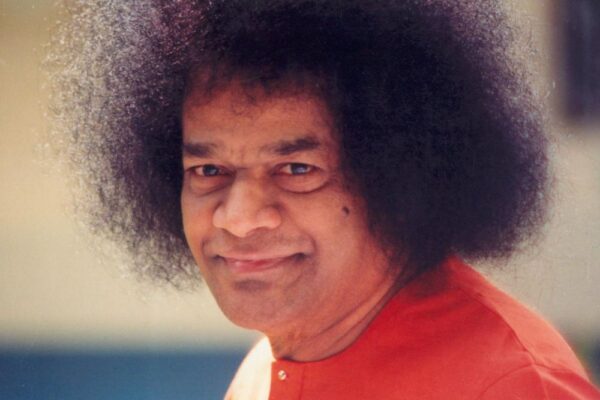
Are you a good student?
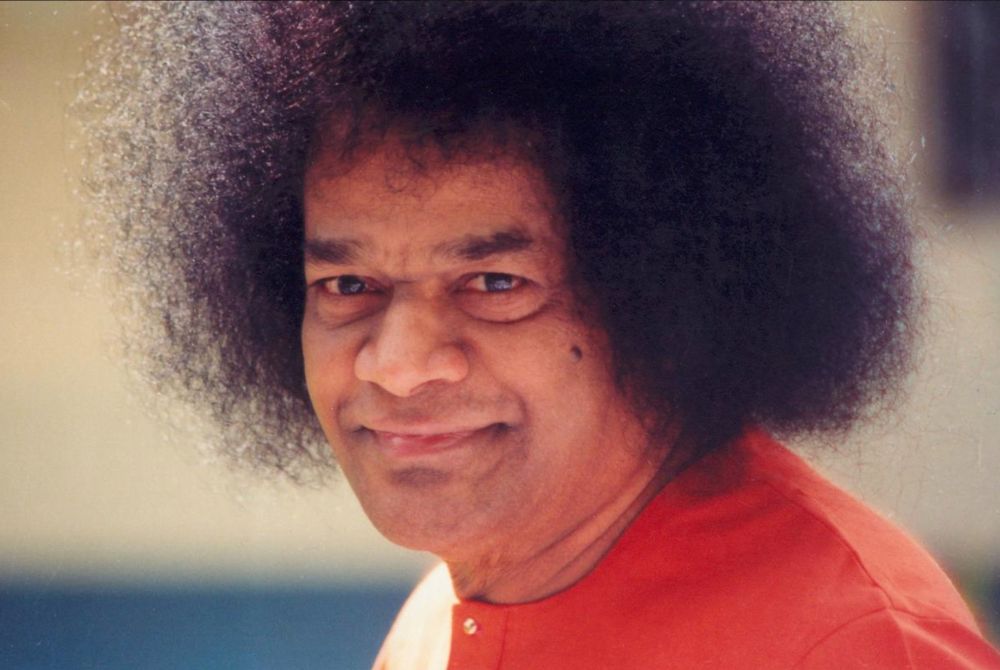
Every breath whispers So Ham, meaning I am That, 21,600 times a day, yet few truly hear this inner truth. Here the Guru appears as Bhagawan Sri Sathya Sai Baba, guiding seekers to discover divinity within, choose noble company, and live with peace, purpose, and awareness.