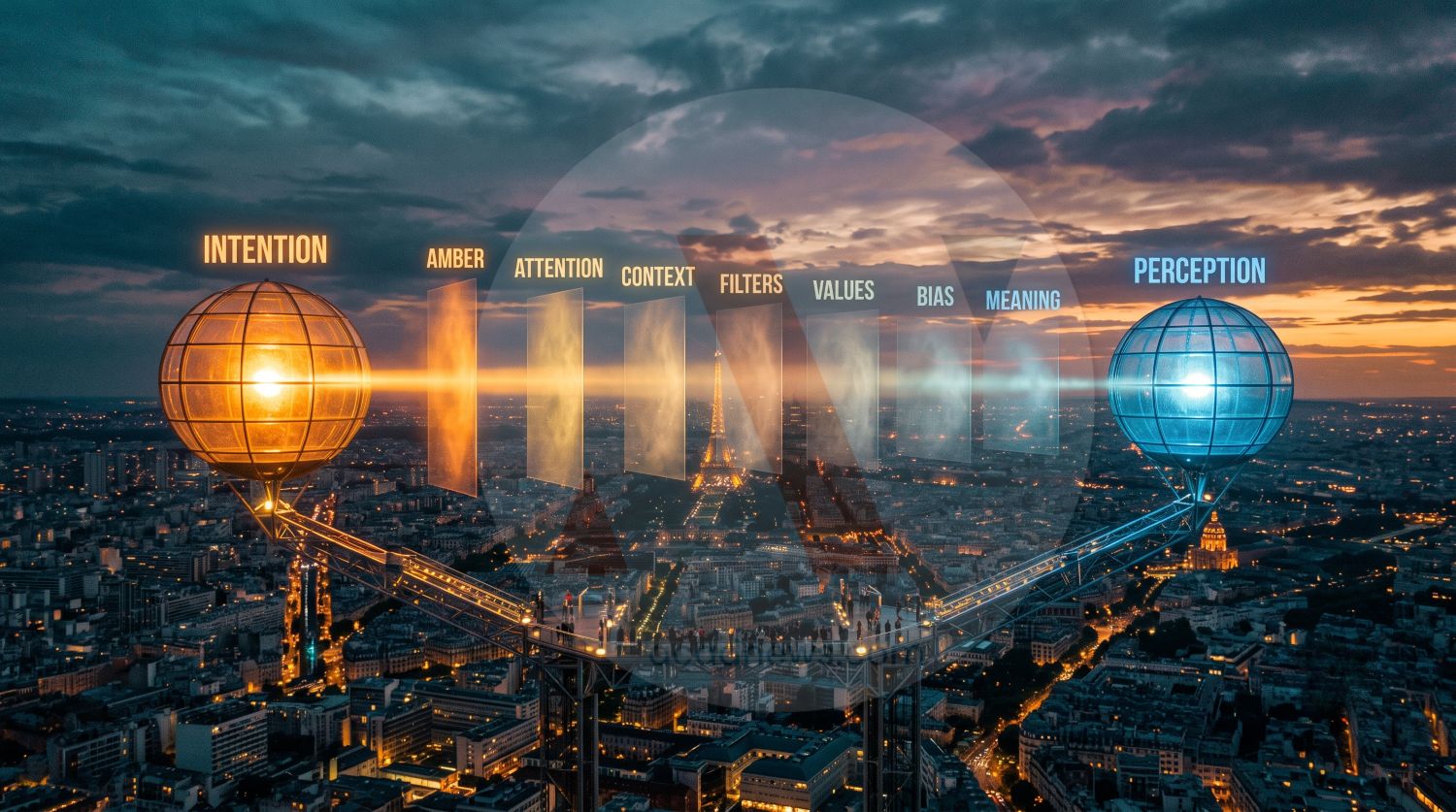








The SCRAL model has been captured here as the much needed graduate attributes of the time and for the future.
- Sensitivity and Solution Centricity
- Character, Creativity, Curiosity, and Communication
- Resilience
- Adaptability
- Learning Life-long
The SCRAL model, which emphasizes Sensitivity and Solution Centricity, Character, Creativity, Curiosity and Communication, Resilience, Adaptability, and Lifelong Learning, aligns well with the concepts presented in the 10 C’s from the NSF President, Prof. Sethuraman Panchnathan’s address (click here to hear) at SSSIHL on Nov. 22, 2024. By mapping the 10 C’s to the SCRAL framework, we can promote a holistic understanding of the qualities essential for success in today’s dynamic environment.
The 10C’s mentioned by the NSF President were:
Commencement, Convocation, Curiosity, Confidence, Convergence, Collaboration, Change, Commitment, Communication, Conduit, Character
SCRAL Model with 10 C’s Elaboration
Sensitivity and Solution Centricity
- Change: Sensitivity allows individuals to recognize and respond effectively to change, which is essential in today’s fast-paced world. By being solution-centric, they can proactively seek innovative solutions that align with these changes, thereby fostering a responsive and dynamic mindset.
Creativity, Curiosity, Character, and Communication
- Curiosity: This trait embodies the desire to learn and explore, driving innovation and deeper understanding. Curiosity fuels inquiry, prompting individuals to ask questions and seek out new experiences.
- Communication: Effective communication is vital for sharing ideas and collaborating with others. It enhances teamwork, ensures clarity, and fosters understanding, while also facilitating the dissemination of knowledge among peers.
- Character: A strong character underpins ethical decision-making and integrity. It influences how individuals interact with others and face challenges, ensuring they remain true to their values amidst adversity.
- Collaboration: This reflects the capacity to work with others towards common goals. Effective collaboration flourishes in environments where creativity and curiosity are valued, leading to innovative solutions born from diverse ideas.
Resilience
- Confidence: Resilience is closely tied to confidence. A confident individual believes in their ability to overcome setbacks, allowing them to bounce back stronger. This self-assuredness is critical for facing challenges and maintaining progress toward goals.
- Character: Resilience is also enhanced by a strong character, which provides the moral foundation needed to persevere through difficulties. Individuals with strong character and integrity tend to remain resilient, upholding their values even when faced with challenges.
Adaptability
- Convergence: This involves synthesizing diverse ideas and perspectives to solve complex problems. Adaptability allows individuals to integrate various viewpoints and innovations, fostering a collaborative atmosphere where new solutions can emerge.
- Change: An adaptable individual embraces change as an opportunity for growth, adjusting their approach based on new information or circumstances, thus allowing for continuous improvement and evolution.
Lifelong Learning
- Commitment: Lifelong learning requires a strong commitment to personal and professional growth. This commitment motivates individuals to continually seek new knowledge and experiences throughout their lives, fostering a culture of inquiry and improvement.
- Conduit: Lifelong learners often serve as conduits of knowledge, sharing what they have learned with others. This encourages a collective learning environment where knowledge is exchanged freely, benefiting the entire community.
By integrating the 10 C’s into the SCRAL model, we create a comprehensive framework that not only highlights individual qualities essential for success but also emphasizes the interconnectedness of these traits. Together, they cultivate a well-rounded individual capable of thriving in a complex world, driven by curiosity, creativity, adaptability, resilience, and a commitment to lifelong learning. Understanding and developing these attributes fosters personal growth, effective collaboration, and meaningful contributions to society.
Leveraging Human Traits to Thrive in an AI-Driven Future
As artificial intelligence (AI) becomes increasingly ubiquitous, the traits outlined in the SCRAL model—Sensitivity and Solution Centricity, Creativity, Curiosity, Character, Communication, Resilience, Adaptability, and Lifelong Learning—will be of paramount importance. Here’s how each trait plays a crucial role in navigating an AI-driven world:
1. Sensitivity and Solution Centricity
- Adaptability to Change: In a landscape where AI technologies evolve rapidly, being sensitive to changes allows individuals to recognize emerging trends and challenges. This sensitivity is essential for adapting strategies and approaches to leverage AI effectively.
- Proactive Problem-Solving: A solution-centric mindset empowers individuals to identify problems that AI can address and to innovate solutions that integrate AI technologies. This trait fosters a culture of proactive engagement with AI, ensuring that it serves as a tool for progress rather than a source of anxiety.
2. Creativity, Curiosity, Character, and Communication
- Creativity: As AI automates routine tasks, human creativity will differentiate individuals in the workforce. Creative thinkers will harness AI to generate new ideas and solutions, pushing the boundaries of innovation.
- Curiosity: The drive to explore and learn will be vital for understanding AI’s capabilities and limitations. Curious individuals will seek to understand how AI can enhance their work, leading to more effective and informed use of technology.
- Character: Ethical considerations surrounding AI, such as bias and privacy, require individuals to possess strong character. Those with integrity will advocate for responsible AI use and ensure that technology aligns with societal values.
- Communication: Effective communication is essential for collaborating with AI systems and with others who are leveraging AI. Clear articulation of ideas and findings will facilitate teamwork and the sharing of knowledge across disciplines.
3. Resilience
- Confidence in the Face of Change: As AI transforms industries, resilience will empower individuals to navigate uncertainty and setbacks. Confident individuals will embrace challenges as opportunities for growth rather than threats to their roles.
- Moral Fortitude: Resilience supported by strong character enables individuals to maintain their values amidst rapid technological change. This moral grounding is crucial for advocating for ethical AI practices and ensuring technology serves humanity positively.
4. Adaptability
- Embracing New Technologies: Adaptability is key to thriving in an AI-driven environment. Individuals who can quickly learn and adjust to new AI tools and processes will remain relevant and competitive in the job market.
- Synthesis of Ideas: The ability to converge diverse perspectives and ideas will enhance collaboration in AI development and implementation. Adaptable individuals will integrate insights from various fields, leading to innovative solutions that leverage AI effectively.
5. Lifelong Learning
- Commitment to Continuous Growth: In a world where AI continuously evolves, lifelong learning will be essential. Individuals must commit to updating their skills and knowledge to keep pace with technological advancements, ensuring they can effectively engage with AI.
- Knowledge Sharing: Lifelong learners who act as conduits of knowledge will foster a culture of collaboration and collective growth. By sharing insights and experiences related to AI, they contribute to a more informed and capable community.
In summary, as AI becomes more integrated into various aspects of life and work, the traits encompassed in the SCRAL model will be critical for individuals to thrive. Sensitivity, creativity, curiosity, strong character, effective communication, resilience, adaptability, and a commitment to lifelong learning will empower individuals to navigate the complexities of an AI-driven world. By cultivating these traits, we can harness the full potential of AI while ensuring that it serves as a force for good in society.