







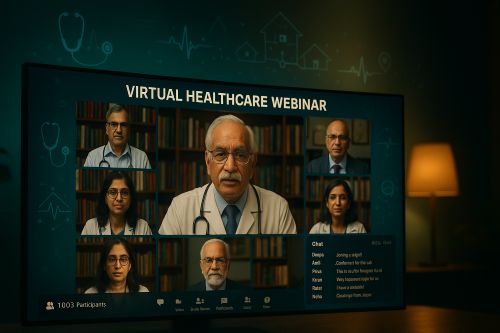
1,092
Registrants
135
Cities
20+
States
236
Organizations
In a powerful convergence of medical expertise, technological innovation, and visionary leadership, India’s most distinguished healthcare innovators gathered to address one defining question: How do we heal at scale?

Keynote Speaker
Padma Shri Dr. V. Mohan
Chairman & Chief Diabetologist, Dr. Mohan’s Diabetes Specialities Centre
1,900
Publications
700K+
Patients
50
Centres
“When one dedicates wholly for a great cause, closed doors shall open, and the seemingly impossible will become possible.
Who Joined the Conversation
Industry Breakdown
25
Industries
Geographic Reach
+ 15 more states represented
Key Participating Institutions
What the Audience Said
58%
Say Cost
What’s the BIGGEST barrier to democratizing healthcare in India?
9.1%
Infrastructure
9.1%
Policy
6.1%
Technology
Where They Joined From
✨ 27% from beyond metro cities!
Primary Roles
Student / Researcher
54.2%
Faculty / Academic
31.2%
Healthcare Professional
10.4%
AI/Telemedicine Adoption
27.6%
Active
34.4%
Planning
31.0%
No Plans
Areas Needing Urgent Innovation
India’s Diabetes Epidemic
🚀 Innovation Tools Showcased
DIA
AI Chat Assistant
24/7 Support
DIALA
Lifestyle App
140,000+ Users
DIANA
Precision Medicine
AI Diagnostics
Tele-Eye
Eye Screening
60,000/Year
Building Infrastructure for Affordable Healthcare
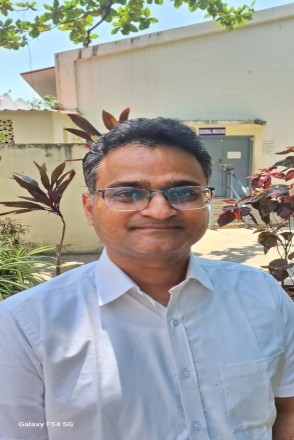
Moderator
Dr. M. Gopi Krishna
MBBS, MD • HOD Pediatrics, Sri Sathya Sai General Hospital
Co-Moderator
Prof. M Ananth, FCS
PhD, Cambridge • Former VC • Founder, Academic Network
Dr. M. Gopi Krishna
On Pediatric Care
When asked by Prof. Ananth about pediatric care challenges, Dr. Gopi Krishna shared insights from his experience at Sri Sathya Sai General Hospital, emphasizing the unique considerations required when democratizing healthcare for children—where early intervention and preventive care become even more critical for long-term health outcomes.
Prof. M Ananth, FCS
Framework for Healthcare Transformation
Prof. Ananth articulated a progressive framework for healthcare transformation, emphasizing that sustainable change begins with the right foundation:
Mindset-based
Skill-based
Padma Shri Dr. V. Mohan
Chairman & Chief Diabetologist, Dr. Mohan’s Diabetes Specialities Centre & Madras Diabetes Research Foundation • 40+ Years Experience
Dr. V. Mohan shared the philosophy behind building India’s largest diabetes care network. He emphasized that universal health insurance is the single most impactful policy change needed for healthcare democratization.
“If you are able to give free insurance to everybody, you can walk into any medical facility and take everything free. Currently, we are not paying for prevention—only for disease.”
He stressed that sustainable scaling requires self-accountability, transparent auditing, and treating staff with respect. Quality systems including rigorous SOPs, ISO certification, and transparent auditing enable scaling without compromising care quality.
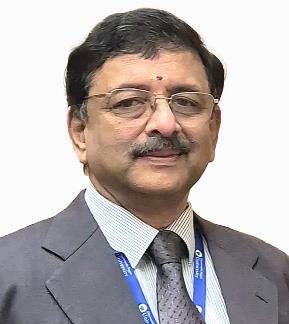
Prof. B.S. Satyanarayana
Vice Chancellor, Dayananda Sagar University, Bangalore • PhD, University of Cambridge, UK • Karnataka Vidya Ratna 2025
With 100+ industry-based labs and six incubation centres nurturing startups, Prof. Satyanarayana emphasized the critical need to remove the “fear of failure” in innovation ecosystems. He highlighted how academia must serve as the bridge between research and real-world implementation.
“Somebody has to act as a system integrator—identifying expertise, communicating opportunities, and facilitating innovation.”
He highlighted how his team developed measurement instruments at 1/10th to 1/100th of international costs, demonstrating that frugal innovation is not just possible but essential for healthcare democratization in India.
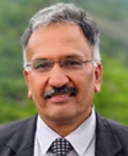
Prof. Dr. Sanjay Behari
Director, SCTIMST, Thiruvananthapuram • Renowned Neurosurgeon
Highlighting landmark innovations like the Chitra Heart Valve and blood bags serving the Asia Pacific region, Dr. Behari shared SCTIMST’s impressive track record: 5 commercializations and 25 translations of innovative biomedical technology products in the last 3-4 years, with nearly 35 patents annually. He outlined four critical needs for healthcare innovation:
- More incubation centres for medical technology
- Dedicated testing and validation facilities
- Bridging the “valleys of death” between prototype and market
- Including doctors on Section 8 company boards for better clinical insight
“Medical technology is lagging behind even defense in indigenous production.”
Key Themes Discussed
🎯 Key Takeaways
Universal Insurance
Free access for all
Quality Systems
ISO & SOPs
Academia-Industry
Collaborative models
Indigenous Mfg
Local production
Rural Models
Chunampet approach
Event Partners
Together, We Can Heal at Scale
Stay connected for upcoming sessions on healthcare innovation
Visit Technology Series Healthcare →