






Building Trustworthy AI Ecosystems for Indian Higher Education
Beyond Algorithms: Addressing the Human Bottlenecks in Ethical, Responsible & Explainable AI
Dr. Babasaheb Ambedkar Open University (BAOU), Ahmedabad, hosted a landmark two-day National Research Workshop on “Research and Development in Ethical, Responsible and Explainable AI (XAI) for Indian Academia” on December 22-23, 2025. The event brought together faculty, researchers, academic administrators, and industry experts to address the critical human bottlenecks in AI adoption across Indian higher education institutions.
In his plenary address, Prof. Dr. M.M. Ananth, Founder of Academic Network and Former Founding Vice Chancellor of Adani University, presented groundbreaking insights on building trustworthy AI ecosystems—emphasizing that the real challenge lies not in technology, but in the human systems surrounding it.
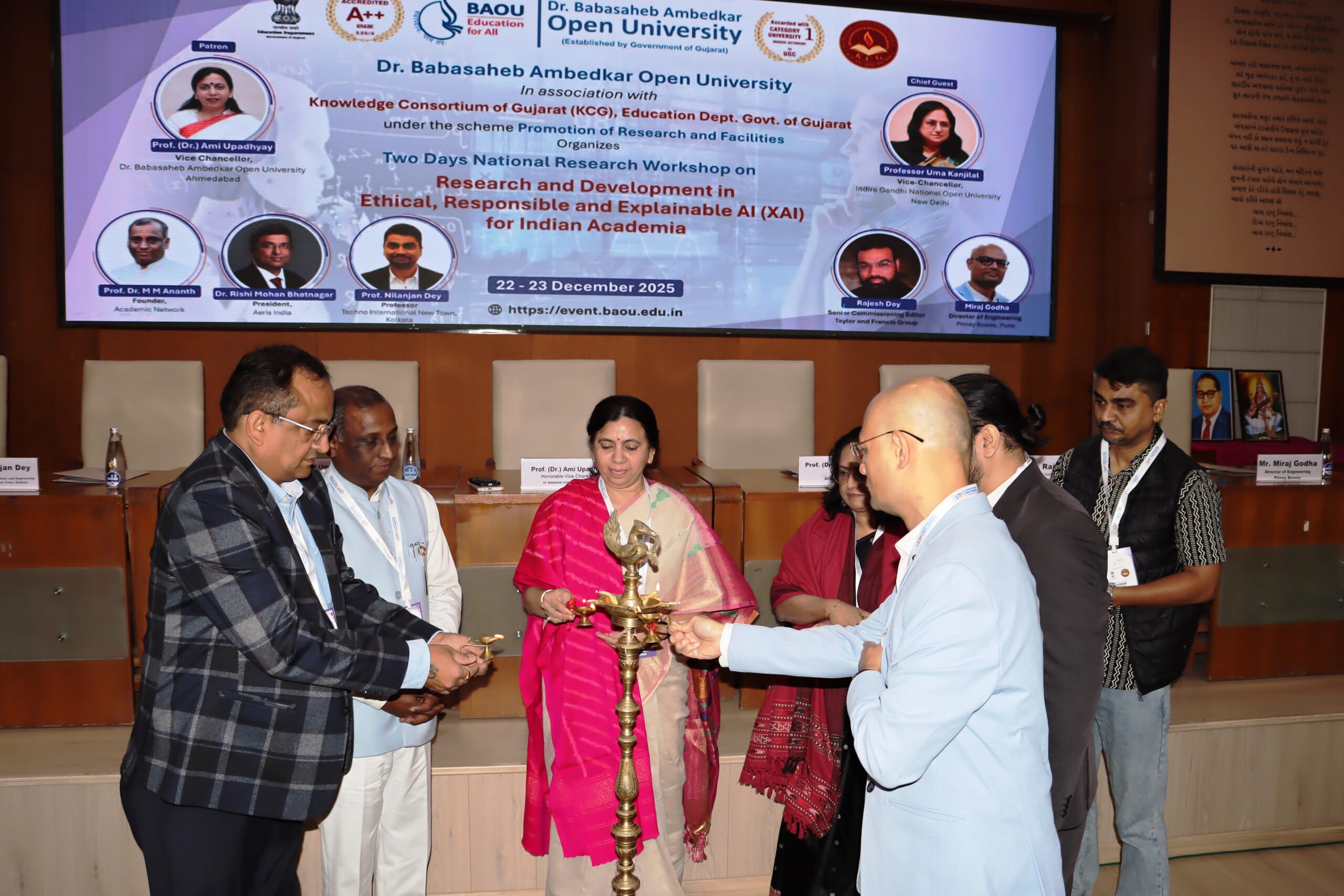
Inaugural Session: Lighting of the lamp by dignitaries marking the commencement of the National Research Workshop
Setting the Vision for Trustworthy AI
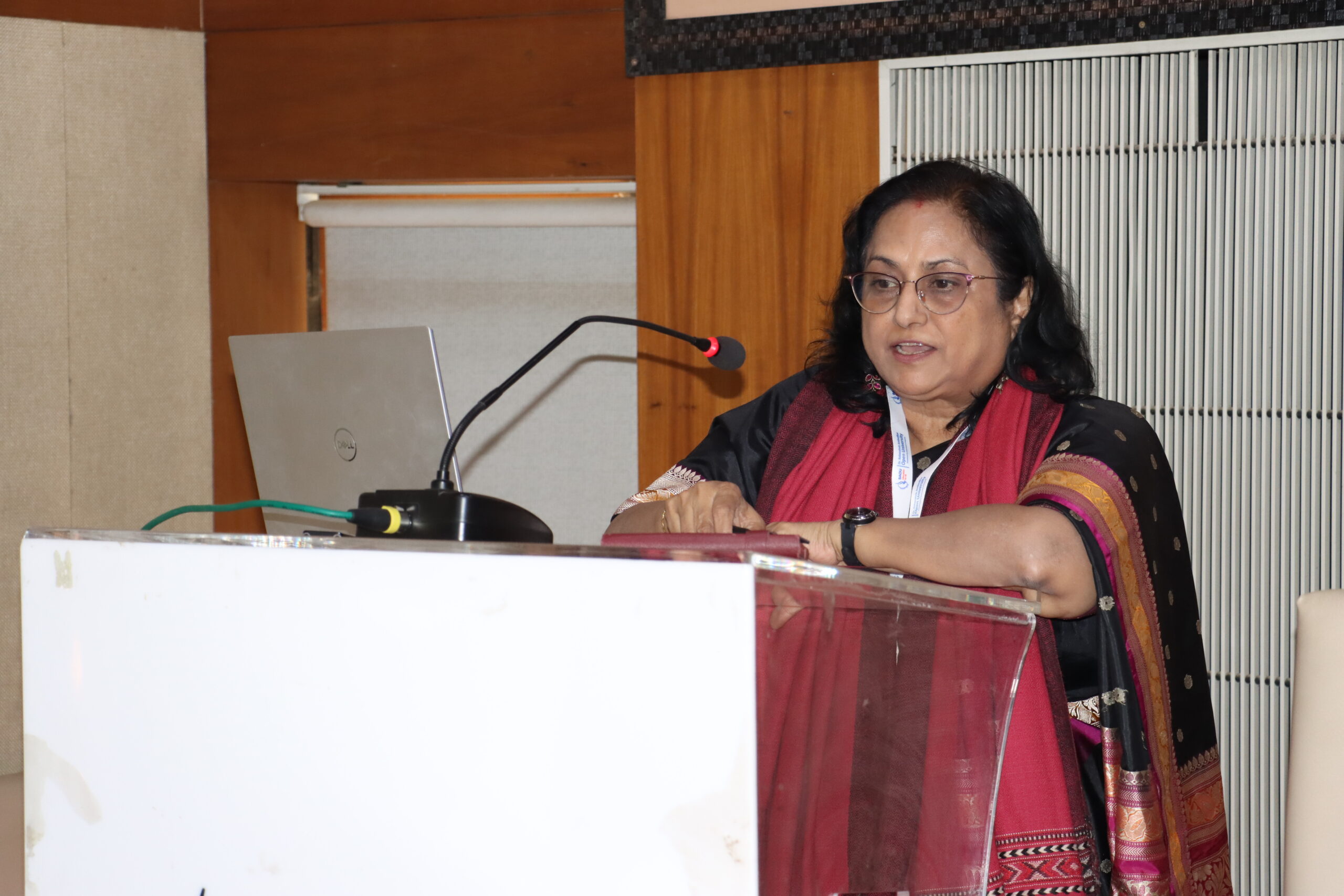
Prof. Uma Kanjilal
Vice Chancellor, Indira Gandhi National Open University, New Delhi
The Chief Guest provided a comprehensive overview of the workshop’s theme—Ethical, Responsible and Explainable AI—setting the context for why Indian academia must proactively address AI governance. She emphasized the importance of building AI systems that are not just technically sound but transparent, fair, and accountable to all stakeholders in the education ecosystem.
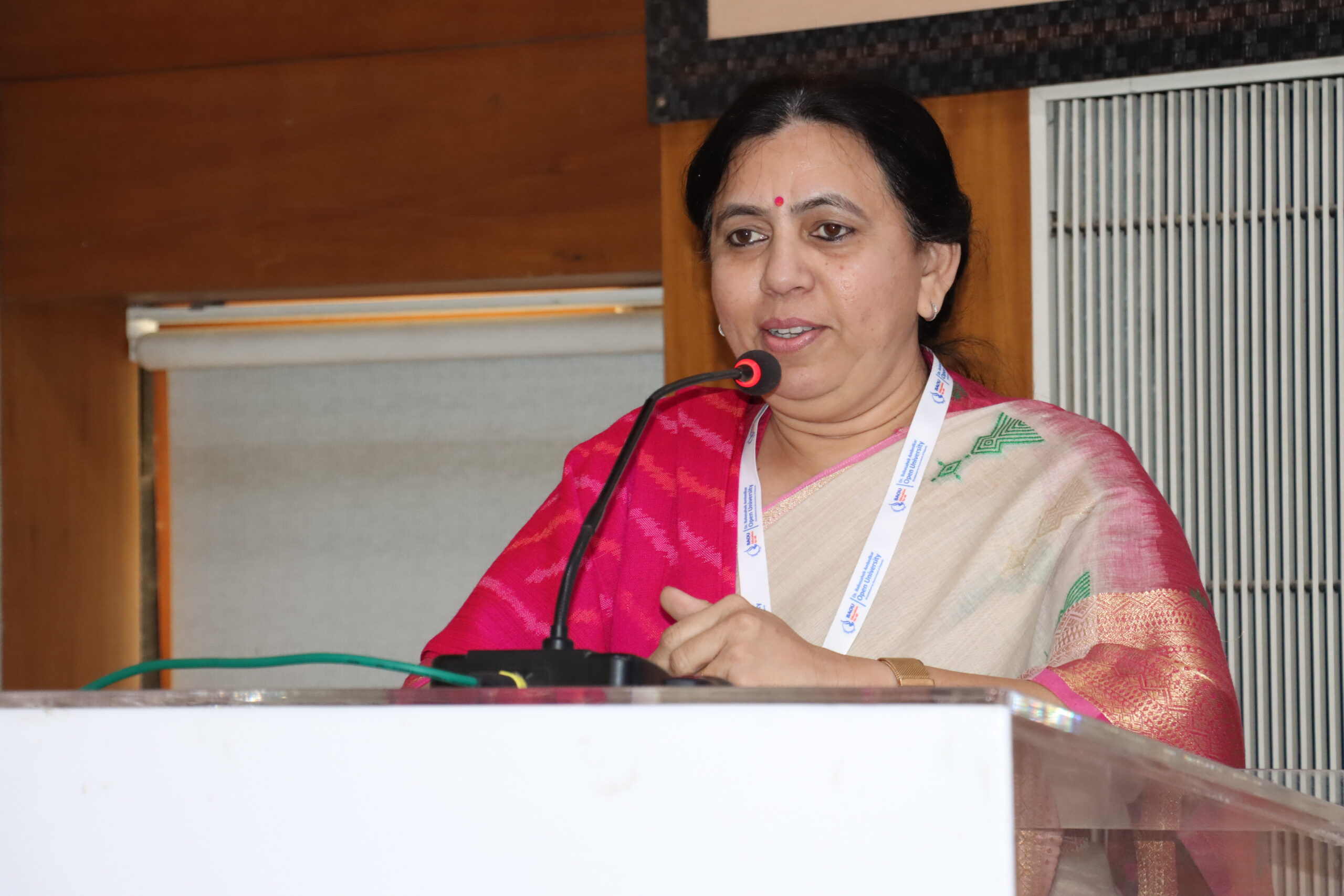
Prof. Ami Upadhyay
Vice Chancellor, Dr. Babasaheb Ambedkar Open University, Ahmedabad
The Vice Chancellor highlighted a critical insight that resonated throughout the workshop: the importance of knowing when to use AI—and equally, when NOT to use it. This discernment, she emphasized, is what separates responsible AI adoption from blind technology dependence, and must be at the core of faculty development initiatives.
Who Participated?
Live polling through AcadNet Engage revealed diverse participation from across Indian academia
👥 Primary Role
📚 Discipline Area
The bottleneck is not technology.
It’s the human systems around it.
Prof. Ananth highlighted that around the world, AI deployments in education have faced backlash—not because the technology failed, but because trust failed.
Four Pillars of Trustworthy AI Ecosystems
A comprehensive framework for Indian higher education to build sustainable, ethical AI adoption
Education
Building AI literacy across faculty, students, and administrators. Critical evaluation, not just tool usage.
Ethics
Moving beyond compliance to genuine ethical culture. Governance for bias, accountability, and transparency.
Collaboration
Breaking silos between CS, humanities, law, and administration. Multidisciplinary governance teams.
Sustainability
Long-term governance, not pilots. Measurement systems for continuous improvement and evidence-based decisions.
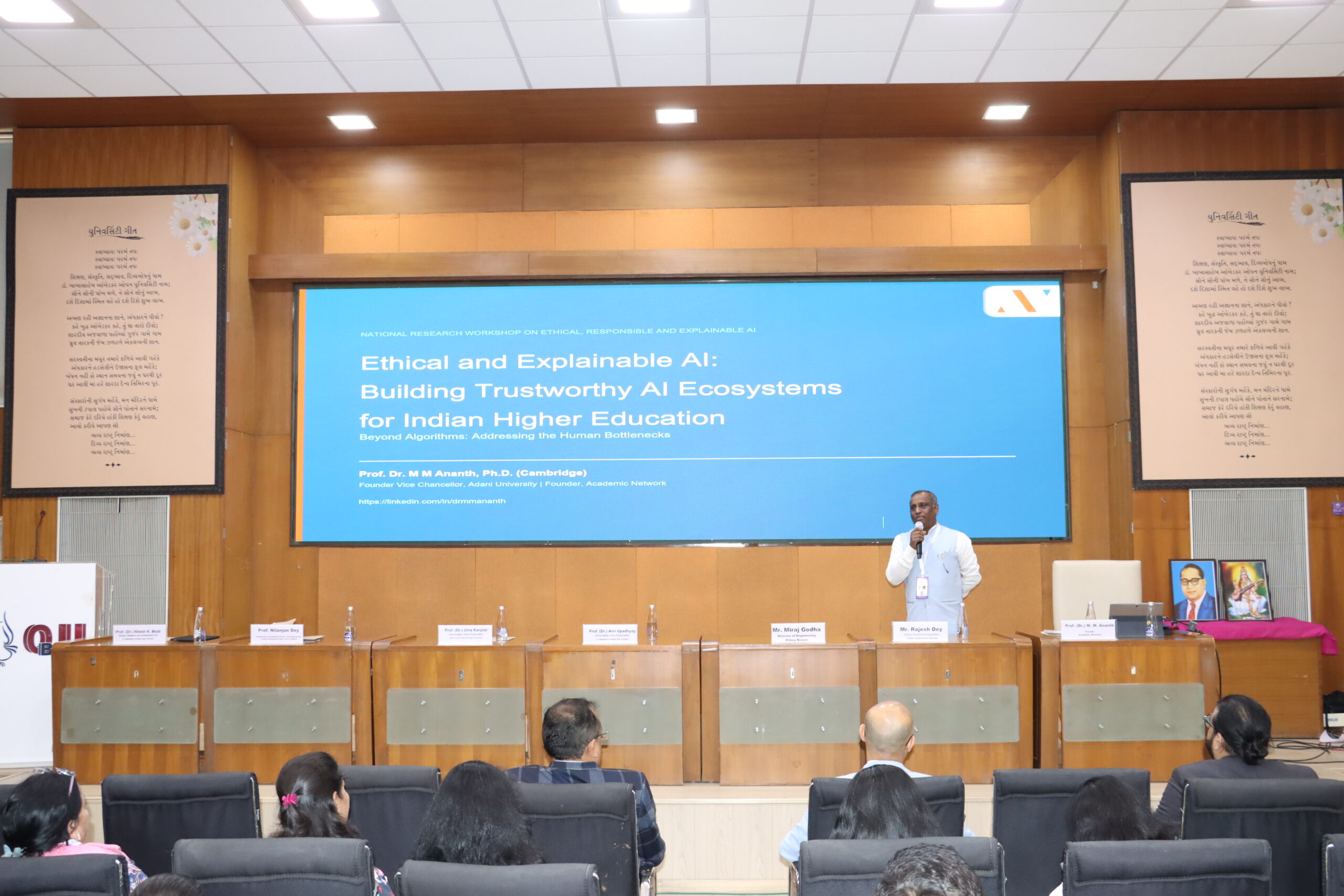
Plenary Address: Prof. Dr. M.M. Ananth presenting the Four Pillars framework for building trustworthy AI ecosystems in Indian higher education
AI Adoption Landscape in Indian Academia
Aggregate insights from participating academics across institutions
Formal AI policies in place
Currently in planning phase
Yet to begin adoption
Informal adoption underway
Preferred AI Governance Leadership Models
AI Readiness: A Sector-Wide Perspective
Collective self-assessment across four dimensions reveals opportunities for growth in Indian higher education
I – Interpersonal
3.0“How well do departments collaborate on AI decisions?”
A – Adaptability
3.6“How quickly can you adopt new AI policies?”
C – Cognitive
2.9“Can faculty critically evaluate AI bias and ethics?”
T – Technical
3.3“What’s your AI infrastructure and digital literacy?”
Key Finding: Cognitive readiness emerged as the area with most growth potential, highlighting the sector-wide opportunity for faculty development in critical AI evaluation—not just tool usage.
Strategic Development Priorities for Indian Academia
Participants identified key areas where the higher education sector can focus its collective efforts
Building comprehensive AI literacy programs beyond basic tool training
Breaking silos between technical, humanities, and administrative teams
Moving from pilots to institutionalized governance frameworks
Establishing robust ethical guidelines and accountability mechanisms
These insights reflect aggregate perspectives from academic professionals and provide a roadmap for sector-wide initiatives in AI readiness.
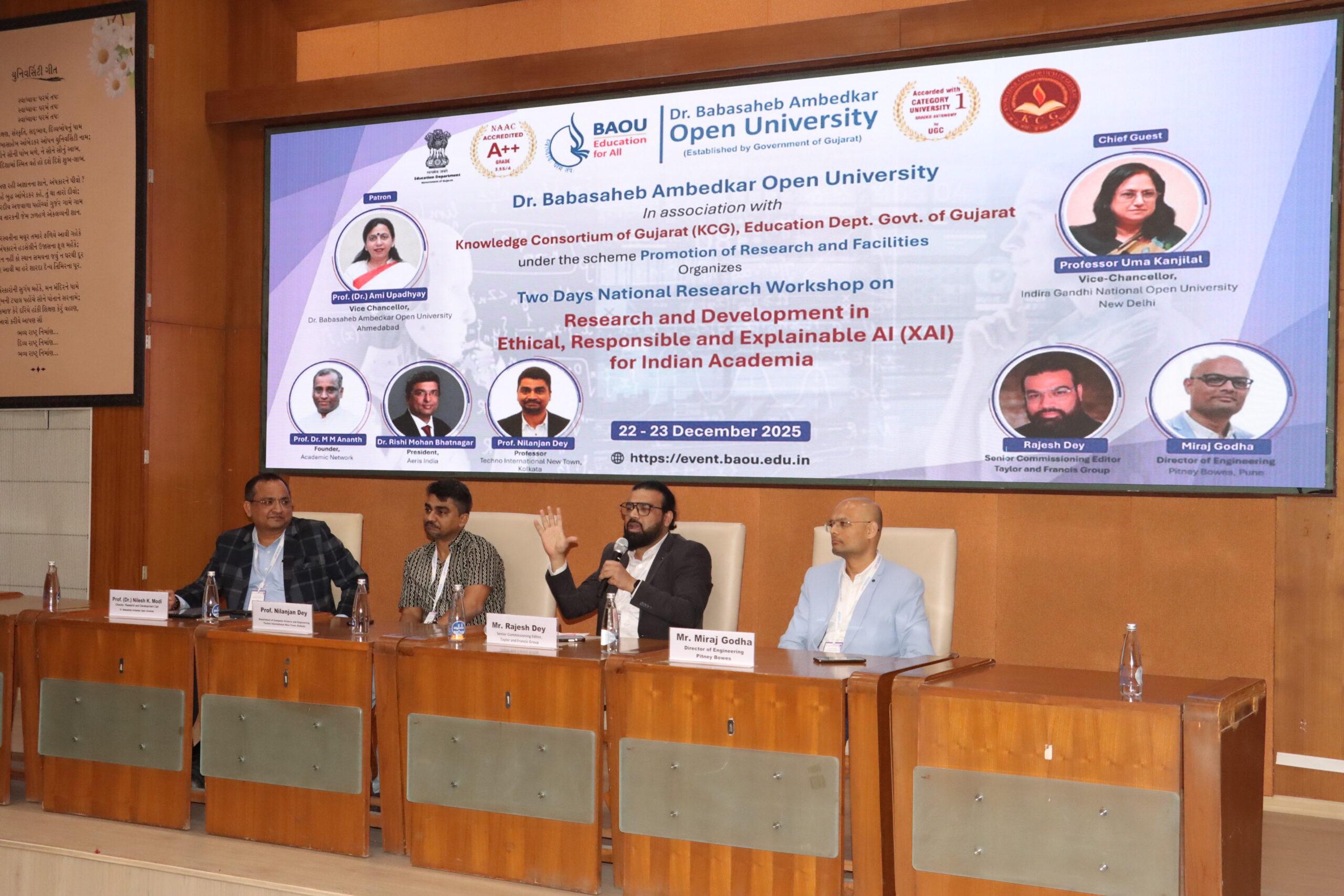
Panel Discussion: Industry experts and academics exploring collaborative approaches to ethical AI implementation
AI Tools in Education
Tools commonly observed across academic settings
Key Considerations Around AI
Topics that emerged in academic discourse
India’s AI Readiness Gap (Cisco AI Readiness Index 2024)
Have AI Strategy
Fully Prepared
Cite Skills Gap
Faculty Confident
What You Can Do Monday Morning
Start One Conversation
Talk to a colleague from a different department about AI
Audit One Tool
What AI tools are already being used? What governance exists?
Ask One Question
“Should we have an AI ethics committee?”
Take IACT Assessment
Get your baseline at iact.acadnet.net
Workshop Highlights
Day 1 Sessions
Keynote: Prof. Uma Kanjilal, VC, IGNOU
Presidential: Prof. Ami Upadhyay, VC, BAOU
Plenary 1: Prof. Dr. M.M. Ananth, Academic Network
Plenary 2: Prof. Nilanjan Dey, Techno International
Day 2 Sessions
Plenary 3: Dr. Rishi Mohan Bhatnagar, Aeris India
Plenary 4: Rajesh Dey, Taylor & Francis Group
Plenary 5: Miraj Godha, Pitney Bowes