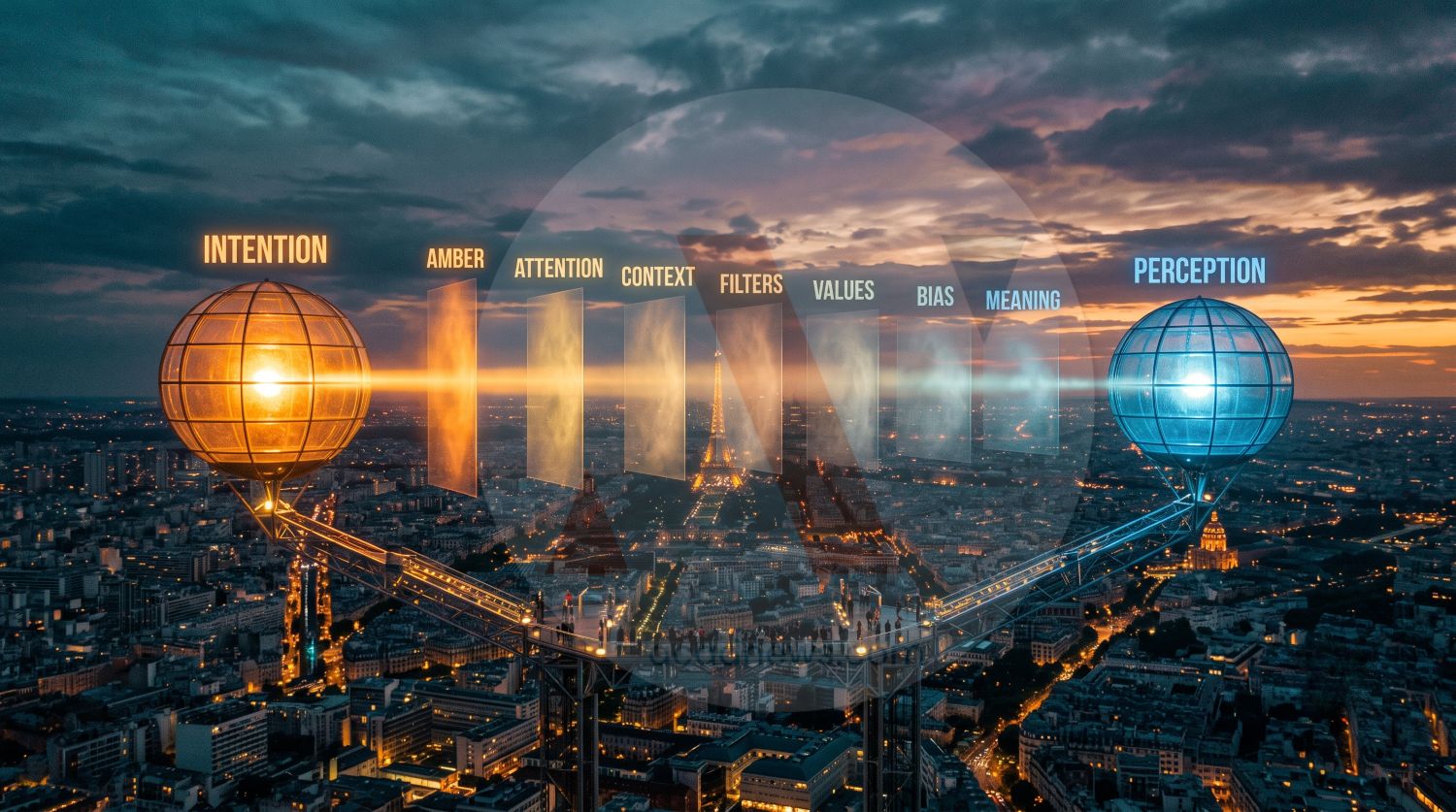







Artificial intelligence (AI) has revolutionized the way we interact with technology, enabling systems to learn from data, make decisions, and automate tasks. However, concerns have been raised about the potential for bias and discrimination in AI algorithms. Bias refers to the systematic errors or inaccuracies in algorithms that reflect the prejudices or stereotypes of the data used to train them. Discrimination, on the other hand, occurs when AI systems unfairly disadvantage certain individuals or groups based on their race, gender, or other protected characteristics.
Let us explore the implications of bias and discrimination in AI algorithms, examine the causes of these issues, and discuss potential solutions to address them.
The Implications of Bias and Discrimination in AI Algorithms
Bias and discrimination in AI algorithms have wide-ranging consequences, impacting various facets of our society.
For example, biased algorithms in recruitment processes may lead to unjust hiring practices, overlooking qualified candidates from marginalized groups. In the criminal justice system, AI algorithms predicting recidivism rates have exhibited racial bias, resulting in disproportionate sentencing for minority individuals. Furthermore, bias in AI-driven healthcare tools could lead to misdiagnoses or unequal access to medical treatment among different population groups.
Causes of Bias and Discrimination in AI Algorithms
There are several factors that contribute to the presence of bias and discrimination in AI algorithms. One major factor is the bias present in the training data used to develop and train these algorithms. If the training data contains historical biases or reflects societal stereotypes, the AI models will learn and perpetuate these biases. Another factor is the lack of diversity in the teams developing AI algorithms. Homogeneous teams may not recognize or address biases that affect different groups in society. Furthermore, the complexity of AI algorithms and the opacity of their decision-making processes make it difficult to identify and mitigate bias effectively.
Potential Solutions to Address Bias and Discrimination
To address bias and discrimination in AI algorithms, a multifaceted approach is needed. One key step is to improve the diversity and inclusivity of the teams developing AI technology. By including individuals from diverse backgrounds, experiences, and perspectives, teams can better identify and mitigate bias in algorithms. Transparency and explainability in AI systems are also critical. Researchers and developers should prioritize making AI algorithms more interpretable and accountable to stakeholders.
Moreover, regulatory frameworks and guidelines can help mitigate bias and discrimination in AI algorithms. Governments and organizations should implement oversight mechanisms to monitor and evaluate the impact of AI technologies on society. Bias detection tools and audits can be used to assess the fairness and reliability of AI systems in various applications. Additionally, continuous monitoring and evaluation of AI algorithms post-deployment are essential to detect and remedy biases that may emerge over time.
In conclusion, bias and discrimination in AI algorithms pose significant challenges that require urgent attention and action. As AI technology continues to advance and permeate various sectors of society, it is crucial to address these issues to ensure fairness, equity, and accountability. By fostering diversity in AI development teams, promoting transparency in algorithmic decision-making, and implementing regulatory frameworks, we can work towards creating more inclusive and ethical AI systems. Ultimately, the responsibility lies with all stakeholders – developers, policymakers, researchers, and users – to collaborate and uphold ethical standards in AI innovation.
References:
- Buolamwini, J., & Gebru, T. (2018). Gender shades: Intersectional accuracy disparities in commercial gender classification. Proceedings of the 1st conference on fairness, accountability and transparency, 77-91.
- Caliskan, A., Bryson, J. J., & Narayanan, A. (2017). Semantics derived automatically from language corpora contain human-like biases. Science, 356(6334), 183-186.
- Mittelstadt, B. D., Allo, P., Taddeo, M., Wachter, S., & Floridi, L. (2016). The ethics of algorithms: Mapping the debate. Big Data & Society, 3(2), 2053951716679679.
- Narayanan, A., & Shmatikov, V. (2008). Robust de-anonymization of large sparse datasets. Proceedings of the 2010 IEEE Symposium on Security and Privacy, 111-125.