







In present era where knowledge is the new currency, the principles of Needonomics—understanding and addressing needs efficiently and effectively—become paramount. By transition from traditional industrial economies to knowledge economies, the way we perceive and meet our needs must evolve. To delve into the role of needonomics providing the framework for success in a knowledge-based economy falls in the domain of this paper.
Foundations of Needonomics
Needonomics (economics of needs), at its core, is about identifying, prioritizing, and fulfilling needs in the most efficient manner. Unlike traditional economic models that focus primarily on supply and demand, needonomics emphasizes the importance of understanding the underlying needs that drive these forces. In a knowledge economy, this approach becomes particularly relevant as intangible assets like information, expertise, and innovation take center stage.
Needo-understand the Strengths of Needonomics:
Human-Centric Approach: Needonomics places human needs at the center of economic analysis, recognizing that economic systems should ultimately serve human well-being and flourishing needo-happiness with needo-health and needo-wealth. The focus on the needs of people ensures that economic policies are directed towards improving the quality of life for individuals, masses, classes ,communities and society at large.
Holistic Perspective: Needonomics takes a holistic view of human needs, encompassing not only material and financial needs but also social, psychological, spiritual and environmental needs. This comprehensive perspective helps in crafting policies that address a wide range of human concerns, leading to more sustainable and equitable outcomes.
Emphasis on Needs: Needonomics prioritizes the fulfillment of all human needs such as food, shelter, healthcare, education, and safety. Needonomics is not minimizing the needs but create needs to be fulfilled for which there is a promise in verse 9:22 of Gita. By ensuring that these needs (not greed) are met for all individuals, needonomics aims to create a foundation for human well-being and social stability.
Reduction of Inequality: By focusing on meeting needs for all the individuals, needonomics aims to reduce inequalities of all kinds within societies. Policies in tune with needonomics can help alleviate poverty, improve access to essential services, and promote greater social equity.
Long-Term Sustainability: Needonomics recognizes the importance of sustainable resource management and environmental conservation in meeting present and future needs. By integrating environmental considerations into economic decision-making, needonomics promotes strategies that support long-term ecological sustainability and resilience.
Resilience to Crises: An economy structured around needs is inherently more resilient to economic shocks and crises. By ensuring that individuals have access to necessities even during periods of disruption, needonomics can help mitigate the impact of crises and facilitate faster recovery.
Social Cohesion and Stability: By addressing inequality and ensuring that needs are met “Needonomics” is a way of life that recommends an economic approach centered on satisfying needs rather than Greedonomics (economics of greed).
We, the eNM research lab, honestly believe in the merits of needonomics, it may have several weaknesses to be examined in right perspectives:
Shift to a Knowledge-Based Economy
A knowledge economy relies on the production, distribution, and use of knowledge and information. This shift has significant implications for businesses, governments and individuals. In such an economy, success is determined by the ability to generate, share, and utilize knowledge effectively. Traditional resources like raw materials and manual labor take a backseat to intellectual capital, creativity, and technological prowess.
Adopting Needonomics in a Knowledge Economy
It is firmly believed by the Needonomics School of Thought that the knowledge economy must understand and adopt needonomics in its various endeavours.
Education and Skill Development:
Identifying Needs: Recognize the skills and knowledge required for the future workforce. This involves continuous learning and adaptation.
Meeting Needs: Develop educational systems and training programs that are flexible, accessible, and aligned with current and future market demands.
Innovation and Research
Identifying Needs: Understand the gaps and opportunities in the market that can be addressed through innovation.
Meeting Needs: Foster a culture of research and development by investing in technology, supporting startups, and encouraging collaboration between academia and industry.
Information Accessibility
Identifying Needs: Determine the types of information that various stakeholders require to make informed decisions.
Meeting Needs: Ensure that information is readily available, reliable, and tailored to the needs of different user groups through digital platforms and open data initiatives.
Collaboration and Networking
Identifying Needs: Recognize the importance of networks and partnerships in driving innovation and knowledge sharing.
Meeting Needs: Facilitate collaboration through platforms that connect individuals, organizations, and institutions, promoting an ecosystem of shared knowledge and resources.
The Benefits of Needonomics in a Knowledge Economy
Enhanced Efficiency: By focusing on actual needs, resources are utilized more effectively, reducing waste and increasing productivity.
Increased Innovation: A clear understanding of needs drives targeted research and development, leading to breakthroughs and advancements.
Improved Competitiveness: Organizations that can swiftly identify and meet needs are better positioned to stay ahead in a rapidly evolving market.
Sustainable Growth: Addressing needs in a balanced and sustainable manner ensures long-term economic and social stability.
Challenges and Considerations
While Needonomics offers a robust framework, there are challenges to its implementation in a knowledge economy:
Rapid Technological Changes: Keeping up with the pace of technological advancement requires continuous learning and adaptability.
Data Privacy and Security: Ensuring that the vast amounts of knowledge and information are used ethically and securely is crucial.
Equity and Access: Addressing disparities in access to education, technology, and information is essential to ensure that all segments of society benefit from the knowledge economy.
Harnessing AI for Needonomics in a Knowledge-Based Economy
As we navigate the complexities of the modern knowledge economy, the integration of Artificial Intelligence (AI) with the principles of Needonomics offers transformative potential. AI’s ability to process vast amounts of data, identify patterns, and generate insights aligns seamlessly with Needonomics’ focus on efficiently understanding and meeting needs. This article explores how AI can be leveraged to enhance the application of Needonomics in a knowledge-based economy.
Future Ahead
The future of the knowledge economy, indeed, relies heavily on strengthening our position in the Global Innovation Index (GII). This requires significant investment in research and development (R&D) from both public and private sectors. Key factors for improvement include:
Increased R&D Investment: Both government and private companies should allocate more funds towards innovative research projects including establishing Research Labs in Needonomics for them.
Encouraging Patents: Incentivizing and streamlining the process for filing patents can spur innovation. The researchers must make honest efforts to convert patents into business proposition, of course timely financing be provided to them.
Boosting Researcher Population: Increasing the number of researchers per million population by providing better education, training, and opportunities.
The eNM Research Lab of the Needonomics School of Thought emphasizes these priorities to drive progress and maintain a competitive edge in the global knowledge economy.
Conclusion
Needonomics provides a strategic approach to thriving in a knowledge-based economy. By focusing on the efficient identification and fulfillment of needs, individuals, organizations, and governments can harness the power of knowledge to drive innovation, efficiency, and sustainable growth. As we continue to navigate the complexities of the modern economy, Needonomics offers a pathway to a more informed, equitable, and prosperous future. By leveraging AI’s capabilities to understand and meet needs more effectively, we can create a more informed, equitable, and dynamic economic landscape. As we continue to integrate AI into various sectors, the principles of Needonomics will serve as a guiding framework, ensuring that technological advancements translate into meaningful improvements in the lives of global citizens. The future ahead of knowledge economy calls for more investment in R&D is the mandate of eNM Research Lab of the Needonomics School of Thought .
References
- M.M. Goel, Needonomics: Implications for Traders and Exporters in a Changing Economic Scenario (with audio podcast) June 19, 2024.
- M.M. Goel, Needonomics: Implications for Distributors in Changing Economic Scenario, (with audio podcast) June 04, 2024
- M. M. Goel, Needonomics: Implications for Producers in Changing Economic Scenario, (with audio podcast) May 14,2024
- M. M. Goel, Needo-Consumption: Implications for Global Consumers, April 22,2024
- M. M. Goel, Needonomics: SWOC ANALYSIS (with audio podcast) April 9, 2024.
- M. M. Goel, Unveiling the Perils of Greedonomics, (with audio podcast) March 11, 2024.
- M. M. Goel, Needonomics: Queen of Social Sciences for Global Economy, (with audio podcast) February 26, 2024.
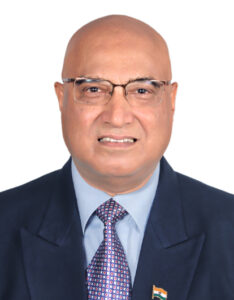 Dr. M M Goel | About the Author Propounder Needonomics, Professor Madan Mohan Goel is a superannuated Professor of Kurukshetra University. He is former Vice-Chancellor, Starex University, Gurugram, Jagannath University Jaipur, RGNIYD (GOI), Pro Vice-Chancellor VKSU Ara, Dean of Colleges & Social Sciences, Chairman, Dept. of Economics & Dept. of Journalism KUK He was the first ICCR Chair Professor in South Korea. Presently he is an Adjunct Professor at the Institute of Advanced Sciences Dartmouth, USA. He is honoured with the London Organization of Skill Development (LOSD) Excellence Award 2023, Professor J.K. Mehta Academic Excellence Award 2023, Rashtrapita Rashtriya Samman 2023 for propounding Needonomics and Gurukul Gyanjyoti Award (2024). His area of research is Economics of HRD & Indian Economy. He has 483 publications and guided 25 PhD and 25 MPhil Scholars. |
If you would like to get connected to Dr M M Goel write to editor@acadnews.com.