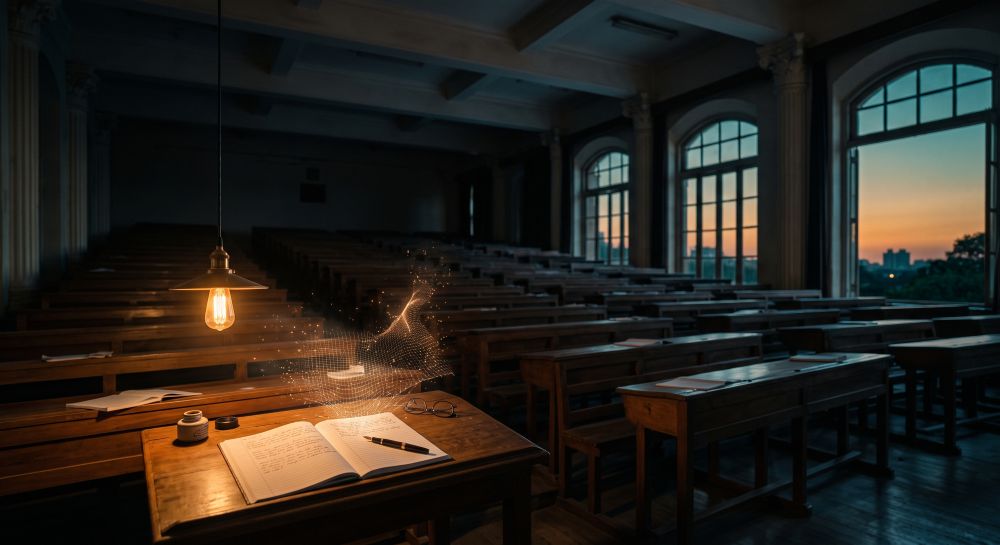







By 2025 and 2030, education is expected to undergo significant transformations driven by technological advancements and evolving pedagogical practices. Here’s an elaborate walkthrough of what education might look like in those years:
- Blended Learning: Blended learning will continue to gain traction, combining traditional classroom instruction with online learning tools and resources. Students will have the flexibility to learn at their own pace and access content tailored to their individual needs through online platforms.
- Personalized Learning: With the help of artificial intelligence (AI), personalized learning will become more prevalent. AI algorithms will analyze individual student data, such as their learning style, preferences, and progress, to deliver customized content and adaptive assessments. This will enable students to learn in a way that suits them best, ultimately increasing engagement and achievement.
- Gamification and Immersive Technologies: Gamification elements, such as badges, leaderboards, and rewards, will be integrated into educational platforms to enhance motivation and make learning more enjoyable. Virtual reality (VR) and augmented reality (AR) technologies will also be utilized to create immersive and interactive educational experiences, allowing students to explore virtual environments and manipulate objects for a deeper understanding of complex concepts.
- Collaborative Learning: Collaboration will be emphasized as an essential skill for the future workforce. Collaborative online tools, video conferencing, and social learning platforms will facilitate project-based learning and enable students from different parts of the world to work together on shared assignments. This will foster cultural understanding, enhance communication skills, and encourage teamwork.
- Lifelong Learning and Microcredentials: The concept of education as a lifelong pursuit will become mainstream. Continuous learning will be supported by microcredentials, which are short-term certifications or badges in specific skill sets. These microcredentials will provide individuals with evidence of their specific competencies and knowledge, allowing them to remain adaptable and competitive in the job market.
- Data-Driven Education: Education systems will increasingly rely on data analytics to track student academic progress, identify areas of improvement, and deliver targeted interventions. Teachers will have access to real-time data, enabling them to provide timely feedback and personalized support for each student. Educational institutions will also use data to optimize their curriculum, identify effective instructional strategies, and make evidence-based decisions.
- Emphasis on Soft Skills and Critical Thinking: As automation and AI take over routine tasks, there will be a stronger focus on developing critical thinking, problem-solving, creativity, emotional intelligence, and other essential soft skills. The curriculum will be redesigned to incorporate interdisciplinary projects, case studies, and real-world applications to develop these skills.
- Global Learning and Cultural Exchange: The digital age will enable students to connect with peers from different countries and cultures, fostering global awareness and understanding. Virtual exchange programs and online platforms will facilitate cross-cultural communication and collaboration, encouraging tolerance, empathy, and a global perspective.
- Teacher’s Role as Facilitators and Guides: The role of teachers will transform from being the primary sources of information to facilitators and guides. Teachers will focus more on individualized instruction, mentoring, and providing guidance to students. They will also play a crucial role in cultivating students’ curiosity, critical thinking, and socio-emotional development.
- Redefining Assessment: Traditional exams and standardized testing will no longer be the sole measures of a student’s progress. Alternative forms of assessment, such as project-based assessments, portfolios, and real-world simulations, will be implemented to evaluate students’ holistic development, skills, and competencies.
Overall, the education landscape by 2025 and 2030 will be characterized by personalized learning, technological integration, collaborative platforms, and a strong focus on developing 21st-century skills. The ultimate goal will be to prepare students for an ever-changing world and equip them with the knowledge, skills, and attitudes necessary for success in their personal and professional lives.
Here are 25 key points about education by 2025 and 2030:
- Blended learning combining in-person and online instruction will be the norm.
- Personalized learning will be facilitated by AI algorithms analyzing student data.
- Gamification elements will enhance motivation and engagement.
- Virtual reality and augmented reality technologies will create immersive educational experiences.
- Collaborative online tools will foster teamwork and global connections.
- Lifelong learning will be emphasized, supported by microcredentials.
- Data analytics will drive personalized interventions and inform instructional decisions.
- Soft skills and critical thinking will be prioritized in the curriculum.
- Global learning and cultural exchange will be facilitated through digital platforms.
- Teachers will serve as facilitators and mentors rather than just information providers.
- Alternative forms of assessment, such as project-based assessments, will be used.
- Online platforms will provide access to educational resources and courses from around the world.
- Artificial intelligence will assist in automating administrative tasks, freeing up time for teachers.
- Personal devices and technology will be integrated into everyday classroom activities.
- Education will focus on developing digital literacy and technological skills.
- Education will be more inclusive, catering to diverse learning needs and abilities.
- Education will be more accessible to marginalized communities through online and remote learning options.
- Schools will prioritize mental health and well-being, providing resources and support for students.
- Environmental education and sustainability will be integrated into the curriculum.
- Education will prepare students for jobs that don’t yet exist, emphasizing adaptability and resilience.
- Online platforms will offer personalized tutoring and mentoring services.
- Virtual laboratories and simulations will enhance science and engineering education.
- Education will emphasize global citizenship and social responsibility.
- Artificial intelligence will provide personalized feedback and recommendations to students.
- Education will be increasingly interdisciplinary, integrating various subjects and fields of study.
These points provide a glimpse into the potential changes and developments in education by 2025 and 2030, driven by advancements in technology and a shift towards more student-centered and holistic approaches to learning.