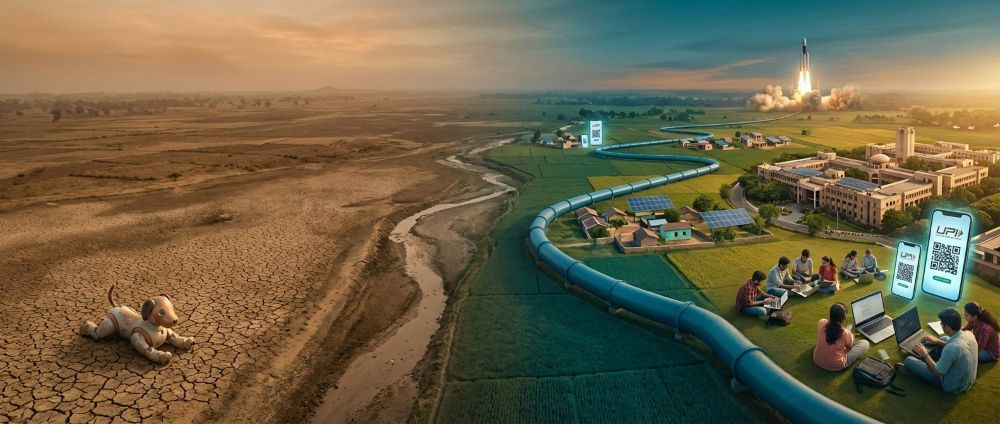








UN Sustainable Development Goals:
- No Poverty: End poverty in all its forms everywhere. This goal aims to eradicate extreme poverty, reduce the proportion of people living below the poverty line, and ensure equal access to basic resources, services, and opportunities. It involves implementing social protection systems, providing access to basic services such as education and healthcare, promoting inclusive economic growth, and empowering marginalized and vulnerable populations.
- Zero Hunger: End hunger, achieve food security and improved nutrition, and promote sustainable agriculture. This goal focuses on ending hunger and malnutrition by ensuring access to nutritious and sufficient food for all. It involves increasing agricultural productivity, promoting sustainable farming practices, improving rural infrastructure, enhancing market access for small-scale farmers, and addressing the root causes of food insecurity such as poverty, climate change, and inequality.
- Good Health and Well-being: Ensure healthy lives and promote well-being for all at all ages. This goal aims to improve overall health and well-being by addressing major health challenges, reducing maternal and child mortality, preventing and treating communicable and non-communicable diseases, promoting mental health, and ensuring universal access to healthcare services, including sexual and reproductive health services.
- Quality Education: Ensure inclusive and equitable quality education and promote lifelong learning opportunities for all. This goal focuses on providing quality education to all individuals, irrespective of age, gender, or socio-economic background. It involves ensuring access to early childhood development, promoting free and compulsory primary and secondary education, improving teacher training and infrastructure, and enhancing vocational and technical education.
- Gender Equality: Achieve gender equality and empower all women and girls. This goal aims to eliminate gender discrimination and promote equal rights and opportunities for women and girls. It involves ending all forms of violence and discrimination against women, ensuring equal access to education, healthcare, and economic resources, promoting women’s leadership and participation, and eliminating harmful practices such as child marriage and female genital mutilation.
- Clean Water and Sanitation: Ensure availability and sustainable management of water and sanitation for all. This goal focuses on ensuring access to clean and safe drinking water and adequate sanitation facilities for all individuals. It involves improving water resource management, increasing water efficiency, implementing proper wastewater treatment, and promoting hygiene practices.
- Affordable and Clean Energy: Ensure access to affordable, reliable, sustainable, and modern energy for all. This goal aims to provide universal access to affordable and clean energy sources, promote energy efficiency, and increase the share of renewable energy in the global energy mix. It involves expanding energy infrastructure, promoting research and development of clean energy technologies, enhancing energy efficiency in industries and buildings, and supporting developing countries in their transition to sustainable energy systems.
- Decent Work and Economic Growth: Promote sustained, inclusive, and sustainable economic growth, full and productive employment, and decent work for all. This goal focuses on promoting inclusive economic growth, creating decent jobs, and ensuring equal opportunities for all individuals. It involves implementing labor rights, promoting entrepreneurship and innovation, improving access to financial services, and supporting sustainable economic development in developing countries.
- Industry, Innovation, and Infrastructure: Build resilient infrastructure, promote inclusive and sustainable industrialization, and foster innovation. This goal aims to develop sustainable and resilient infrastructure, promote inclusive and sustainable industrialization, and foster innovation. It involves investing in infrastructure development, promoting sustainable industrial practices, facilitating access to technology and innovation, and promoting sustainable and responsible business practices.
- Reduced Inequalities: Reduce inequality within and among countries. This goal focuses on reducing inequalities in income, wealth, and opportunities within and among countries. It involves implementing progressive social policies, promoting social inclusion, reducing discrimination, and ensuring equal access to basic services, resources, and opportunities for all individuals, regardless of their socio-economic status.
- Sustainable Cities and Communities: Make cities and human settlements inclusive, safe, resilient, and sustainable. This goal aims to make cities and human settlements inclusive, safe, resilient, and sustainable. It involves promoting sustainable urban planning and design, improving access to affordable housing, enhancing urban resilience to climate change and natural disasters, promoting sustainable transport systems, and ensuring access to basic services and amenities for all residents.
- Responsible Consumption and Production: Ensure sustainable consumption and production patterns. This goal focuses on promoting sustainable consumption and production practices to minimize waste, reduce environmental impact, and promote resource efficiency. It involves promoting sustainable lifestyles, implementing sustainable waste management practices, promoting sustainable procurement and production processes, and raising awareness about the importance of sustainable consumption.
- Climate Action: Take urgent action to combat climate change and its impacts. This goal aims to combat climate change and its impacts by reducing greenhouse gas emissions, promoting climate resilience, and supporting developing countries in their climate change mitigation and adaptation efforts. It involves implementing climate change policies and strategies, transitioning to renewable energy sources, promoting sustainable land use and forest conservation, and enhancing climate resilience in vulnerable communities.
- Life Below Water: Conserve and sustainably use the oceans, seas, and marine resources for sustainable development. This goal focuses on conserving and sustainably managing marine and coastal ecosystems, reducing marine pollution, and promoting sustainable fisheries. It involves implementing integrated coastal zone management, reducing marine pollution from land-based sources, protecting marine biodiversity, and enhancing sustainable fisheries management.
- Life on Land: Protect, restore, and promote sustainable use of terrestrial ecosystems, sustainably manage forests, combat desertification, and halt and reverse land degradation and biodiversity loss. This goal aims to protect and restore terrestrial ecosystems, promote sustainable land use practices, and conserve biodiversity. It involves implementing sustainable forest management, combating desertification and land degradation, protecting natural habitats and biodiversity, and promoting the sustainable use of land resources.
- Peace, Justice, and Strong Institutions: Promote peaceful and inclusive societies for sustainable development, provide access to justice for all, and build effective, accountable, and inclusive institutions at all levels. This goal focuses on promoting peaceful and inclusive societies, ensuring access to justice, and building effective and accountable institutions. It involves reducing violence, promoting the rule of law, strengthening judicial systems, combating corruption, and ensuring equal access to justice and legal rights for all individuals.
- Partnerships for the Goals: Strengthen the means of implementation and revitalize the global partnership for sustainable development. This goal aims to strengthen global partnerships for sustainable development by mobilizing resources, enhancing international cooperation, and promoting multi-stakeholder partnerships. It involves increasing development assistance, promoting technology transfer and capacity-building in developing countries, improving policy coherence for sustainable development, and fostering collaboration between governments, civil society, and the private sector.