






The examination-centric approach prevalent in Indian universities, which has significant implications for the educational landscape of the country. The structure of higher education in India has traditionally emphasized examinations as the principal mode of assessment, often overshadowing alternative methods such as continuous evaluation or project-based learning. This examination-centric model prioritizes rote memorization and short-term knowledge retention over critical thinking, creativity, and practical application of concepts. As a result, students often face immense pressure to perform well in exams, leading to a culture of intense competition and stress. Furthermore, this approach can inadvertently neglect the development of essential skills such as problem-solving, teamwork, and effective communication, which are critical for success in the modern workforce.
Recent discussions among educators and policymakers suggest a growing need for reform, advocating for a shift towards a more holistic educational framework that balances examinations with diverse assessment methods. Such reforms aim to foster a more comprehensive learning environment, better preparing students for both academic challenges and real-world scenarios.
A Brief:
The Indian higher education system has long been plagued by an excessive focus on examinations, which has created significant challenges for students (Gokak et al., 2022) (Bhattacharya, 2018). In the current educational paradigm, major examinations at the end of each school year determine a student’s academic progression, while critical board examinations at the 10th and 12th grade levels heavily influence college admissions (Verma et al., 2002). This heavy emphasis on high-stakes testing has led to a culture where the primary objective of education is to excel in these examinations, rather than to foster holistic learning and development.
This examination-centric approach is further reinforced by the design of textbooks and guidebooks, which primarily focus on the students’ ability to reproduce facts and information, rather than promoting critical thinking and problem-solving skills (Verma et al., 2002). As a result, the academic experience in Indian universities has become increasingly one-dimensional, with the majority of a student’s time and effort devoted to preparing for these examinations.(Sankaran, 2015)(Agarwal, 2015) This overemphasis on examinations has led to a range of challenges for students, including high levels of stress, anxiety, and burnout.(Farrell et al., 2019)
This methodology often centres around rote learning and standardized testing, leading to several drawbacks in the curricula. Some of the key challenges include:
- Superficial Learning: Students often focus on memorization rather than understanding concepts deeply, which diminishes critical thinking and analytical skills.
- Stress and Anxiety: The pressure to perform in exams can lead to heightened stress levels among students, impacting their overall well-being and academic performance.
- Limited Skill Development: An emphasis on exams limits opportunities for practical application of knowledge and hinders the development of essential skills such as teamwork and communication.
- Unequal Opportunities: This approach can disproportionately affect students from diverse backgrounds, where access to resources may vary significantly.
The experiences of students under this system reveal how it impacts their motivation and engagement with the learning material, often resulting in a disconnect between theoretical knowledge and real-world applications. Considering these points, it is Important to reflect on and potentially revise this examination-centric model to foster a more holistic educational environment that encourages creativity and practical engagement.
The opinions and experiences of the fellow faculty fraternity, student community, deep conversation with educationist and outlook thinkers, tracking the practices of the bench marked universities, the author categorize the drawback approach towards the examination centric university and they are:
- Educational Drawbacks approaches:
- Pedagogical Drawbacks
- Rote Learning Drawbacks
- Student experiences and issues:
- Student experiences
- Lack of critical thinking
- Stress and mental issues
- Socio disparities
- Examination Anxiety and well being
- Preparing examinations and developing practical skills
- Conduct of the examinations:
- Examinations Malpractices
- Limitations of standardized examinations
- Challenges and Impact:
- Challenges
- Impact of the Examinations
Educational Drawbacks approaches:
- Pedagogical Drawbacks:
The examination-centric model of education in India also has significant pedagogy-related drawbacks. One of the primary issues is the heavy emphasis on rote learning and memorization, rather than the development of critical thinking and problem-solving skills. (Sankaran, 2015)
This approach often leads to a superficial understanding of the subject matter, as students are primarily focused on regurgitating information to perform well on exams, rather than engaging with the material in a meaningful way.(Schmaltz et al., 2017)
Furthermore, the vast syllabus that teachers are required to cover within a limited timeframe often leads to a rushed and superficial treatment of the material, with little opportunity for in-depth exploration or discussion.
- Rote Learning Drawbacks:
The examination-centric nature of Indian universities has also led to a curriculum that is heavily focused on rote learning and the memorization of facts, rather than the development of critical thinking and problem-solving skills. This approach to education can be detrimental to the long-term learning and development of students, as it often leads to a superficial understanding of the subject matter and a lack of engagement with the material. (Coles, 1993)
Additionally, the vast syllabus that teachers are required to cover within a limited timeframe can result in a rushed and superficial treatment of the material, with little opportunity for in-depth exploration or discussion.
Student Experiences and Issues:
- Student Experiences:
The examination-centric nature of the Indian higher education system has also had a significant impact on the daily lives and emotional experiences of students. Many students report feeling overwhelmed by the constant pressure to perform well on exams, which can lead to high levels of stress, anxiety, and even depression. (Mary et al., 2014)(Chhetri et al., 2021)
- Lack of Critical Thinking:
The examination-centric approach to education in India also tends to discourage the development of critical thinking and problem-solving skills. Students are often rewarded for their ability to memorize and reproduce information, rather than their ability to think critically, analyse complex issues, and propose innovative solutions. (Sankaran, 2015) This can have significant implications for the long-term success and adaptability of Indian graduates, as they may struggle to thrive in rapidly changing, globalized environments that demand more than just rote memorization.
- Stress and Mental Health Issues:
The examination-centric nature of Indian universities has also been linked to high levels of stress and mental health issues among students. The constant pressure to perform well on exams, coupled with the heavy workload and long study hours, can take a significant toll on students’ emotional well-being.
Studies have shown that Indian adolescents face a highly competitive examination system that determines their college entrance and access to desirable career choices. This stressful environment can lead to a range of mental health problems, including anxiety, depression, and even suicidal ideation.
Moreover, the examination-centric system can also contribute to a lack of work-life balance and an unhealthy lifestyle among students, as they prioritize exam preparation over self-care and leisure activities.
- Socioeconomic Disparities:
The examination-centric nature of Indian universities has also been shown to exacerbate existing socioeconomic disparities. Students from less privileged backgrounds often face additional challenges, such as limited access to quality education, tutoring, and other resources, which can put them at a significant disadvantage in the high-stakes examination system.
This can lead to a situation where a student’s academic performance is more closely tied to their family’s socioeconomic status, rather than their actual abilities and potential. (VanTassel‐Baska, 1989) This can have far-reaching consequences for social mobility and the equitable distribution of educational opportunities in India.
- Examination Anxiety and Student Well-being:
The high-stakes nature of the examination system in India has also been linked to significant levels of anxiety and stress among students. The constant pressure to perform well on exams, coupled with the heavy workload and long study hours, can take a toll on students’ mental health and well-being.
Studies have shown that Indian students, particularly those in secondary and higher education, often experience elevated levels of examination-related stress, which can manifest in physical symptoms, such as headaches, and emotional issues, such as anxiety and depression. (Buch et al., 2019) (Verma et al., 2002)
It is important to note that the challenges faced by students in India’s examination-centric university system are multifaceted and interconnected.
- Preparing for Examinations vs. Developing Practical Skills:
The examination-centric nature of Indian universities can also lead to a disconnect between the knowledge and skills acquired by students and the actual demands of the job market. (Bhatnagar, 2020)
Students often find themselves well-versed in the art of examination preparation, but lacking in the practical skills and hands-on experience required by employers. This can make it challenging for graduates to transition smoothly into the workforce and contribute effectively to their chosen fields.(Kim et al., 2012)(Jackson, 2010)
Conduct of the examinations:
- Examination Malpractices:
The examination-centric approach to education in India has also been associated with various forms of examination malpractices, such as cheating, impersonation, and the use of unfair means.
These practices can undermine the integrity of the education system and compromise the validity of the assessment process, ultimately leading to a distortion of the true academic abilities and achievements of students. (Situma & Wasike, 2020)
Moreover, the prevalence of examination malpractices can further contribute to the perception that academic success is more dependent on the ability to game the system, rather than genuine learning and mastery of the subject matter.
- Limitations of Standardized Examinations:
The heavy reliance on standardized examinations in the Indian higher education system has also been criticized for its limitations in accurately assessing student learning and potential. These exams often focus on the memorization of facts and the ability to perform well under time pressure, rather than the evaluation of critical thinking, problem-solving, and other essential skills.(Silver, 1992)
Furthermore, the one-size-fits-all approach of these examinations can fail to account for the diverse learning styles, backgrounds, and abilities of students, potentially leading to the exclusion or marginalization of certain individuals or groups.(Oliveri et al., 2020)
Challenges and Impact:
- Challenges of Examination-Centric Approach in Indian Universities:
The examination-centric approach in Indian universities poses several challenges for students. These include high levels of stress, anxiety, and burnout, which can negatively impact their mental health and overall well-being. The heavy emphasis on high-stakes testing often leads to a focus on rote learning and memorization rather than the development of critical thinking and problem-solving skills.(Embse & Witmer, 2014)
- Impact of Examination-Centricity on Learning Outcomes:
The overemphasis on examinations in Indian universities has also been shown to have a negative impact on students’ learning outcomes. (Mary et al., 2014)
Studies have found that students who spend more time engaged in exam preparation and homework often experience lower average emotional states and more internalizing problems, such as anxiety and depression, compared to their peers who devote more time to leisure activities. (Verma et al., 2002) This suggests that the examination-centric approach may be compromising the overall well-being and academic achievement of Indian students.
Additionally, research has found that students with high grades often have fewer problems, while those with low grades face more difficulties, suggesting that the examination-centric system may not be effectively assessing and supporting student learning. (Davies, 1986)
As a result, many Indian adolescents struggle to find a balance between academic performance and their overall well-being, leading to a range of mental health issues and suboptimal learning outcomes. (Verma et al., 2002) (Sreevani et al., 2019) (Aluvalu, 2016)
The examination-centric nature of the Indian higher education system has also had a negative impact on the overall learning experience of students. Rather than promoting critical thinking, problem-solving, and a love of learning, the current system encourages a narrow focus on exam performance, which can lead to a lack of engagement and enthusiasm for the subject matter. (Verma et al., 2002)
Suggestion for the Universities and colleges:
- Alternate Assessment Methods Beyond Examinations:
To address these challenges, there is a growing call for Indian universities to explore a range of alternative assessment methods that go beyond the traditional reliance on high-stakes examinations. These could include: the incorporation of continuous assessment, project-based learning, portfolio evaluations, and the use of more holistic and personalized evaluation criteria. (Buch et al., 2019) (Verma et al., 2002) (Mutodi & Ngirande, 2017)
By diversifying the assessment approach, universities could better capture the nuances of student learning, encourage the development of critical thinking and problem-solving skills, and mitigate the negative impacts of the examination-centric system on student well-being.(Alcázar-Ortega et al., 2023)
- Reforms Needed to Reduce Examination-Centricity:
To address the challenges faced by students in India’s examination-centric university system, a multi-pronged approach is necessary. This could involve: (Sreevani et al., 2019) the implementation of reforms to reduce the over-emphasis on end-of-year examinations, the provision of more comprehensive mental health support services for students, and the promotion of a balanced approach to education that prioritizes both academic achievement and the development of practical, real-world skills. (Gamage et al., 2020)
Additionally, efforts are needed to address the socioeconomic disparities that can exacerbate the challenges faced by students from disadvantaged backgrounds, such as through the provision of targeted academic and financial support programs.
- Cultivating Holistic Learning in Universities:
By shifting the focus from examination-centricity to a more holistic approach to learning, Indian universities could foster an educational environment that better supports the overall development of students. This could involve the incorporation of experiential learning opportunities, the integration of interdisciplinary curricula, and the promotion of extracurricular activities that nurture students’ creativity, leadership, and problem-solving abilities.(Chatzipanteli & Dean, 2020)
Overall, the examination-centric nature of Indian universities poses significant challenges for students, and addressing these issues will require a comprehensive and sustained effort by policymakers, educators, and the broader educational community. (Ravi et al., 2019)
- Balancing Examinations and Experiential Learning:
While examinations continue to play an important role in the assessment of student learning, it is crucial for Indian universities to strike a balance between the traditional examination-centric approach and the incorporation of more diverse and holistic assessment methods.
By doing so, they can ensure that students are not only well-prepared for examinations but also equipped with the practical skills, critical thinking abilities, and overall well-being necessary to thrive in the modern, rapidly-changing world. (Kellaghan & Greaney, 2019) (Verma et al., 2002) (Menon et al., 2014)
- Incorporating Continuous Assessment Techniques:
One potential approach to reducing the emphasis on high-stakes examinations in Indian universities is the implementation of continuous assessment techniques, such as formative assessments, project-based learning, and portfolio evaluations.
These methods can provide a more accurate and comprehensive picture of student learning, while also encouraging the development of essential skills beyond mere memorization.
- Promoting Holistic Teaching and Learning:
Alongside reforms to the assessment system, Indian universities should also focus on cultivating a teaching and learning environment that fosters a holistic approach to education. This could involve:
Providing professional development opportunities for faculty to enhance their skills in areas like experiential learning, interdisciplinary teaching, and student-centered pedagogy (Ramamohan & Sarma, 2016).
Encouraging the integration of real-world, problem-solving activities into the curriculum to bridge the gap between academic knowledge and practical application.
Offering a diverse range of extracurricular and co-curricular programs that enable students to develop their social, emotional, and leadership skills.
- Promoting Project-Based and Collaborative Learning:
Another strategy for reducing the examination-centric focus in Indian universities is the incorporation of project-based and collaborative learning approaches.
These methods can foster critical thinking, problem-solving, and teamwork skills, while also reducing the reliance on high-stakes exams as the primary mode of assessment.
By engaging students in meaningful, real-world projects and collaborative learning activities, universities can help cultivate a more engaging and holistic educational experience.
To address the challenges faced by students in the examination-centric university system in India, a multifaceted approach is necessary. This should involve a combination of reforms to the assessment system, the promotion of holistic teaching and learning practices, and the provision of comprehensive support services to address the emotional and mental well-being of students.
- Adapting Examination Policies to Diverse Student Needs:
Additionally, universities should consider adapting their examination policies and practices to better accommodate the diverse needs and learning styles of their student population. This could include offering alternative assessment options, providing extended time or other accommodations for students with special needs, and implementing measures to reduce exam-related stress and anxiety.
By taking a more nuanced and inclusive approach to assessment, Indian universities can help ensure that the evaluation of student learning aligns with the broader goals of education, which should extend beyond mere academic performance to encompass the holistic development of individuals. (Ramamohan & Sarma, 2016) (Fuentealba, 2011) (“Some Inputs for Draft National Education Policy 2016,” 2017) (Tyagi & Moses, 2020)
- Reimagining the Role of Examinations in Higher Education:
Ultimately, the dominance of examinations in the Indian university system reflects a broader need to reimagine the role of assessment in higher education. Rather than viewing examinations as the primary means of evaluating student learning, universities should strive to implement a more balanced and comprehensive approach that recognizes the multifaceted nature of education.
This shift will require a fundamental rethinking of the underlying purpose and structure of higher education, with a greater emphasis on developing well-rounded, adaptable, and socially-conscious graduates who are prepared to navigate the complex challenges of the 21st century.
Suggestions for Policymakers and Educational Leaders:
To address the examination-centric nature of Indian universities and the associated challenges faced by students, policymakers and educational leaders should consider the following recommendations:
- Implement a more balanced assessment system: Reduce the over-reliance on high-stakes examinations and incorporate a variety of assessment methods, such as continuous evaluations, project-based assessments, and portfolio reviews, to provide a more comprehensive evaluation of student learning and development. (Kellaghan & Greaney, 2019)
- Promote teaching and learning reforms: Invest in professional development programs for faculty to enhance their skills in areas like experiential learning, interdisciplinary teaching, and student-centered pedagogy.
- Enhance student support services: Provide comprehensive support services to address the emotional, mental, and social well-being of students, particularly in the context of high-pressure examination environment.
- Adapt policies to diverse student needs: Ensure that examination policies and practices are inclusive and accommodate the diverse learning needs and abilities of the student population.
- Redefine the purpose of higher education: Engage in a broader dialogue to reimagine the role of higher education, with a focus on developing well-rounded, adaptable, and socially-conscious graduates who are prepared to navigate the challenges of the 21st century.
- By implementing these multifaceted strategies, Indian universities can work towards reducing the examination-centric focus and providing a more holistic and empowering educational experience for their students.
References
- Agarwal, P. (2015). Indian Higher Education at the Crossroads. In P. Agarwal, International Higher Education (Issue 51). Boston College Center for International Higher Education. https://doi.org/10.6017/ihe.2008.51.8013
- Alcázar-Ortega, M., Montuori, L., Rodríguez-García, J., & Vargas‐Salgado, C. (2023). Multi-Criteria Evaluation Method in the Field of University Education: Application to a Course on Energy Markets. In M. Alcázar-Ortega, L. Montuori, J. Rodríguez-García, & C. Vargas‐Salgado, Knowledge (Vol. 3, Issue 1, p. 40). https://doi.org/10.3390/knowledge3010003
- Aluvalu, R. (2016). University Bridge Program: Innovation at the Grass Roots of Learning in Higher Education. In R. Aluvalu, Journal of Engineering Education/Journal of engineering education transformations/Journal of engineering education transformation. https://doi.org/10.16920/jeet/2016/v0i0/85595
- Bhatnagar, N. (2020). Employability and skill gap among MBA graduates in India: a literature review [Review of Employability and skill gap among MBA graduates in India: a literature review]. Industrial and Commercial Training, 53(1), 92. Emerald Publishing Limited. https://doi.org/10.1108/ict-10-2019-0098
- Bhattacharya, D. (2018). Navigating the Labyrinth: Perspectives on India’s Higher Education. In D. Bhattacharya, South Asian History and Culture (Vol. 9, Issue 4, p. 452). Taylor & Francis. https://doi.org/10.1080/19472498.2018.1535557
- Buch, R. S., Vyas, S., & Moitra, M. (2019). Documenting factors related to examination stress among school children in Surat city. In R. S. Buch, S. Vyas, & M. Moitra, International Journal of Community Medicine and Public Health (Vol. 6, Issue 4, p. 1788). Medip Academy. https://doi.org/10.18203/2394-6040.ijcmph20191423
- Chatzipanteli, A., & Dean, R. (2020). Teaching Styles and the Inclusion of Students with Difficulties in Regular Physical Education. In A. Chatzipanteli & R. Dean, Journal of Physical Education Recreation & Dance (Vol. 91, Issue 3, p. 50). Taylor & Francis. https://doi.org/10.1080/07303084.2019.1705142
- Chhetri, B., Goyal, L. M., Mittal, M., & Battineni, G. (2021). Estimating the prevalence of stress among Indian students during the COVID-19 pandemic: A cross-sectional study from India. In B. Chhetri, L. M. Goyal, M. Mittal, & G. Battineni, Journal of Taibah University Medical Sciences (Vol. 16, Issue 2, p. 260). Elsevier BV. https://doi.org/10.1016/j.jtumed.2020.12.012
- Coles, M. (1993). Teaching Thinking: principles, problems and programmes. In M. Coles, Educational Psychology (Vol. 13, Issue 3, p. 333). Taylor & Francis. https://doi.org/10.1080/0144341930130310
- Davies, D. (1986). Examination performance and the stress factor. In D. Davies, Education + Training (Vol. 28, Issue 6, p. 192). Emerald Publishing Limited. https://doi.org/10.1108/eb017285
- Embse, N. P. von der, & Witmer, S. E. (2014). High-Stakes Accountability: Student Anxiety and Large-Scale Testing. In N. P. von der Embse & S. E. Witmer, Journal of Applied School Psychology (Vol. 30, Issue 2, p. 132). Taylor & Francis. https://doi.org/10.1080/15377903.2014.888529
- Farrell, S., Kar, A., Valsraj, K., Mukherjee, S., Kunheri, B., Molodynski, A., & George, S. (2019). Wellbeing and burnout in medical students in India; a large scale survey. In S. Farrell, A. Kar, K. Valsraj, S. Mukherjee, B. Kunheri, A. Molodynski, & S. George, International Review of Psychiatry (Vol. 31, Issue 7, p. 555). Taylor & Francis. https://doi.org/10.1080/09540261.2019.1688047
- Fuentealba, C. (2011). The Role of Assessment in the Student Learning Process. In C. Fuentealba, Journal of Veterinary Medical Education (Vol. 38, Issue 2, p. 157). University of Toronto Press. https://doi.org/10.3138/jvme.38.2.157
- Gamage, K. A. A., Silva, E. K. de, & Gunawardhana, N. (2020). Online Delivery and Assessment during COVID-19: Safeguarding Academic Integrity. In K. A. A. Gamage, E. K. de Silva, & N. Gunawardhana, Education Sciences (Vol. 10, Issue 11, p. 301). Multidisciplinary Digital Publishing Institute. https://doi.org/10.3390/educsci10110301
- Gokak, A. J. H., Mehendale, S., & Bhāle, S. M. (2022). Modelling and analysis for higher education shadow institutions in Indian context: an ISM approach. In A. J. H. Gokak, S. Mehendale, & S. M. Bhāle, Quality & Quantity (Vol. 57, Issue 4, p. 3425). Springer Science+Business Media. https://doi.org/10.1007/s11135-022-01514-6
- Jackson, D. (2010). An international profile of industry-relevant competencies and skill gaps in modern graduates. In D. Jackson, The International Journal of Management Education (Vol. 8, Issue 3, p. 29). Elsevier BV. https://doi.org/10.3794/ijme.83.288
- Kellaghan, T., & Greaney, V. (2019). Public Examinations Examined. In T. Kellaghan & V. Greaney, Washington, DC: World Bank eBooks. https://doi.org/10.1596/978-1-4648-1418-1
- Kim, E. B., Kim, K., & Bzullak, M. (2012). A survey of internship programs for management undergraduates in AACSB‐accredited institutions. In E. B. Kim, K. Kim, & M. Bzullak, International Journal of Educational Management (Vol. 26, Issue 7, p. 696). Emerald Publishing Limited. https://doi.org/10.1108/09513541211263755
- Mary, R. A., Marslin, G., Franklin, G., & Sheeba, C. J. (2014). Test Anxiety Levels of Board Exam Going Students in Tamil Nadu, India. In R. A. Mary, G. Marslin, G. Franklin, & C. J. Sheeba, BioMed Research International (Vol. 2014, p. 1). Hindawi Publishing Corporation. https://doi.org/10.1155/2014/578323
- Menon, R. K., Tiwari, A., Chhabra, A., & Singh, D. (2014). Study on the Higher Education in India and the Need for a Paradigm Shift. In R. K. Menon, A. Tiwari, A. Chhabra, & D. Singh, Procedia Economics and Finance (Vol. 11, p. 866). Elsevier BV. https://doi.org/10.1016/s2212-5671(14)00250-0
- Mutodi, P., & Ngirande, H. (2017). Examining the Prevalence and Severity of Anxiety, Depression and Stress among Form Four Examination Candidates. In P. Mutodi & H. Ngirande, Journal of Psychology (Vol. 8, Issue 1, p. 1). https://doi.org/10.1080/09764224.2017.1316616
- Oliveri, M. E., Nastal, J., & Slomp, D. (2020). Reflections on Equity-Centered Design. https://onlinelibrary.wiley.com/doi/10.1002/ets2.12307
- Ramamohan, V., & Sarma, K. J. (2016). Holistic Training for Teachers of Higher Education. In V. Ramamohan & K. J. Sarma, Journal of Engineering Education/Journal of engineering education transformations/Journal of engineering education transformation. https://doi.org/10.16920/jeet/2016/v0i0/85638
- Ravi, S., Gupta, N., & Nagaraj, P. (2019). Reviving Higher Education in India. https://think-asia.org/handle/11540/11338
- Sankaran, K. (2015). Indian Education Crisis: Challenges in Curriculum Building. In K. Sankaran, SSRN Electronic Journal. RELX Group (Netherlands). https://doi.org/10.2139/ssrn.2572741
- Schmaltz, R., Jansen, E., & Wenckowski, N. (2017). Redefining Critical Thinking: Teaching Students to Think like Scientists. In R. Schmaltz, E. Jansen, & N. Wenckowski, Frontiers in Psychology (Vol. 8). Frontiers Media. https://doi.org/10.3389/fpsyg.2017.00459
- Silver, E. A. (1992). Chapter 6 Assessment and mathematics education reform in the united states. In E. A. Silver, International Journal of Educational Research (Vol. 17, Issue 5, p. 489). Elsevier BV. https://doi.org/10.1016/s0883-0355(05)80007-2
- Situma, J., & Wasike, M. (2020). The Challenge of Examination Malpractices in Institutions of Higher Learning in Kenya. In J. Situma & M. Wasike, International Journal of Academic Research in Business and Social Sciences (Vol. 10, Issue 9). https://doi.org/10.6007/ijarbss/v10-i9/7859
- Some Inputs for Draft National Education Policy 2016. (2017). In Higher Education for the Future (Vol. 4, Issue 2, p. 186). SAGE Publishing. https://doi.org/10.1177/2347631117706276
- Sreevani, R., Nayak, R. B., Patil, S. D., Hegde, G., & Aladakatti, R. (2019). Academic stress among Indian adolescent girls. In R. Sreevani, R. B. Nayak, S. D. Patil, G. Hegde, & R. Aladakatti, Journal of Education and Health Promotion (Vol. 8, Issue 1, p. 158). Medknow. https://doi.org/10.4103/jehp.jehp_116_19
- Tyagi, N., & Moses, D. B. (2020). Developing and validating the antecedents of managerial effectiveness: factorial constitution in institutions of higher learning. In N. Tyagi & D. B. Moses, International Journal of Leadership in Education (Vol. 25, Issue 5, p. 802). Taylor & Francis. https://doi.org/10.1080/13603124.2020.1762003
- VanTassel‐Baska, J. (1989). The Role of the Family in the Success of Disadvantaged Gifted Learners. In J. VanTassel‐Baska, journal for the education of the gifted (Vol. 13, Issue 1, p. 22). SAGE Publishing. https://doi.org/10.1177/016235328901300103
- Verma, S., Seto, R., & Larson, R. (2002). School stress in India: Effects on time and daily emotions. In S. Verma, R. Seto, & R. Larson, International Journal of Behavioral Development (Vol. 26, Issue 6, p. 500). SAGE Publishing. https://doi.org/10.1080/01650250143000454
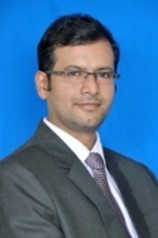 Raghavendran Venugopal | About the Author Raghavendran Venugopal is an experienced Service Specialist with a demonstrated history of working in the education industry. Skilled in Academics, Examinations, Research, Management, Customer Service, Strategic Planning, and Business Development. A passion for children, a solid grounding in Education, an obsession for quality, strong administrative and communication skills rooted in clear work ethics. Has the ability to build and lead teams of teachers and staff who enthusiastically work together with each other and with parents to deliver world-class education for each child. To stand for the rights of children and to spread a culture of compassion, warmth, teamwork, and professionalism. |
With the 2 decades of result achieving experiences in the fields of education, training, strategic planning, accreditation’s, institutional governance, and other areas. I have served to various university before joining Galgotias University. He has served various positions to elevate the academic standards. Dr. RV has introduced many initiatives during his stint at Adani, Bennett, MIT WPU, JSS STU and VTU resulting in the institution being recognize as the Best Emerging universities in Engineering Education Institution in India Today annual rankings in addition to debuting in NIRF rankings. He has strengthened and further streamlined administrative, academic and examination processes. He played a significant role in ISO Standards for Examination Process. Dr. RV is a rare achiever who has lead team in Karnataka towards Digital Examinations and recognized as Chief Innovation Officer for VTU, Belgaum in the year 2010-2011. Dr. RV introduced initiatives aimed at reforming academic, administrative and fiscal policies of the institution with driving Performance Management Systems aligning with the Vision document of the organization. These successes have resulted in him being appraised as an ‘able leader’ / ‘outstanding officer’ – noteworthy recognition’s. Presently, Dr. RV, who sets individual and institutional targets and achieves them aligning with organizational vision by adopting a people friendly approach, is expected to lead organization’s march towards further excellence. | |
If you would like to get connected to Dr Raghavendran Venugopal write to editor@acadnews.com.