




Dance is not an art by itself. It is a unique expression, through the body, synthesizing all arts. In reality, though it is the nature of the body to respond to rhythm, yet it is tamasic in nature and its inertia expression, which we call dance [1]. Therefore, the perfect harmony of the physical and emotional produces dance. The instinct of dance is in the low, the high, the savage and the cultured, in the hedonistic and the sage. When the dance becomes an art that transcends the physical, it becomes an art that pleases all (audience) tastes.
In the dance presentation where the dancer is a particular character, the art of costume is itself expressive of a rasa, or an aspect of the fundamental state. The truest expression is in the experience within which is dependent on so many things; especially on the spiritual development and the perception of the artist.
Rasanubhava- The Relish of the Audience
There is a direct rapport between the movement of the body (be it rhythmic) and the mind of a dancer. This understanding of the form (angas) to bring in shuddhi is important for the dancer because it is only with his/her understanding that its portrayal can be understood by the audience. Once the dancer masters the stability of the body in expressing the form it becomes an intrinsic part of one’s being [2]. When such a dancer presents to an audience, the audience is enthralled by a recitation that is not only joyful to the senses but also an experience that will live with them forever- that’s the power of Bharatham!
Stories through Movement and the body
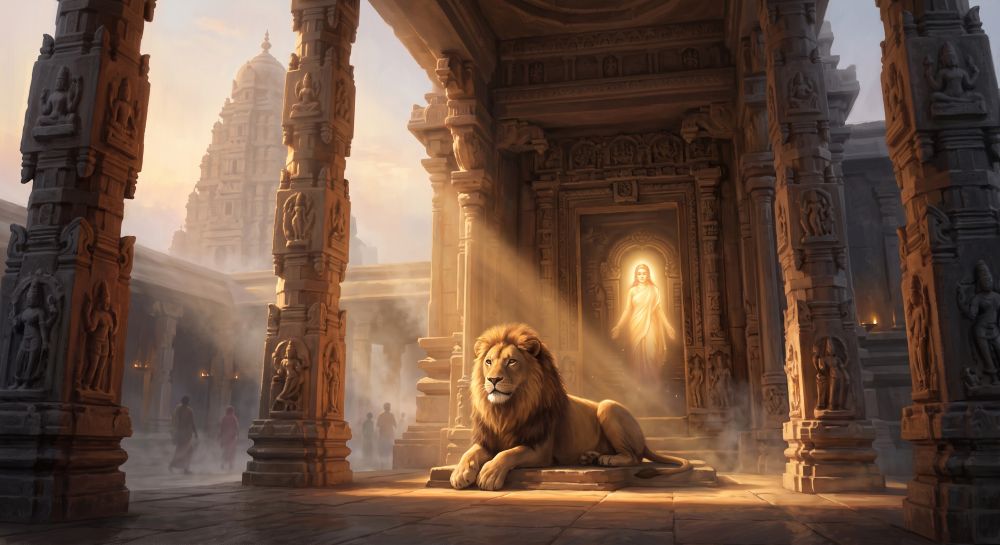
The mythological tales of ancient India, which have been told for thousands of years, are narrated through the unique language of gestures and dramatic mime of Bharatanatyam. They are tales of the gods and heroes, about the great king Rama, banished to the forest, whose wife was kidnapped by a ravenous ten-headed king, and how he rescued her with the help of Hanuman, the monkey general, and all the animals. There are stories of how the beautiful Goddess Meenakshi, skilled in all the arts including the art of warfare, challenged Shiva, the most powerful of all the gods, to a duel, and how, on the battlefield, they fell in love…
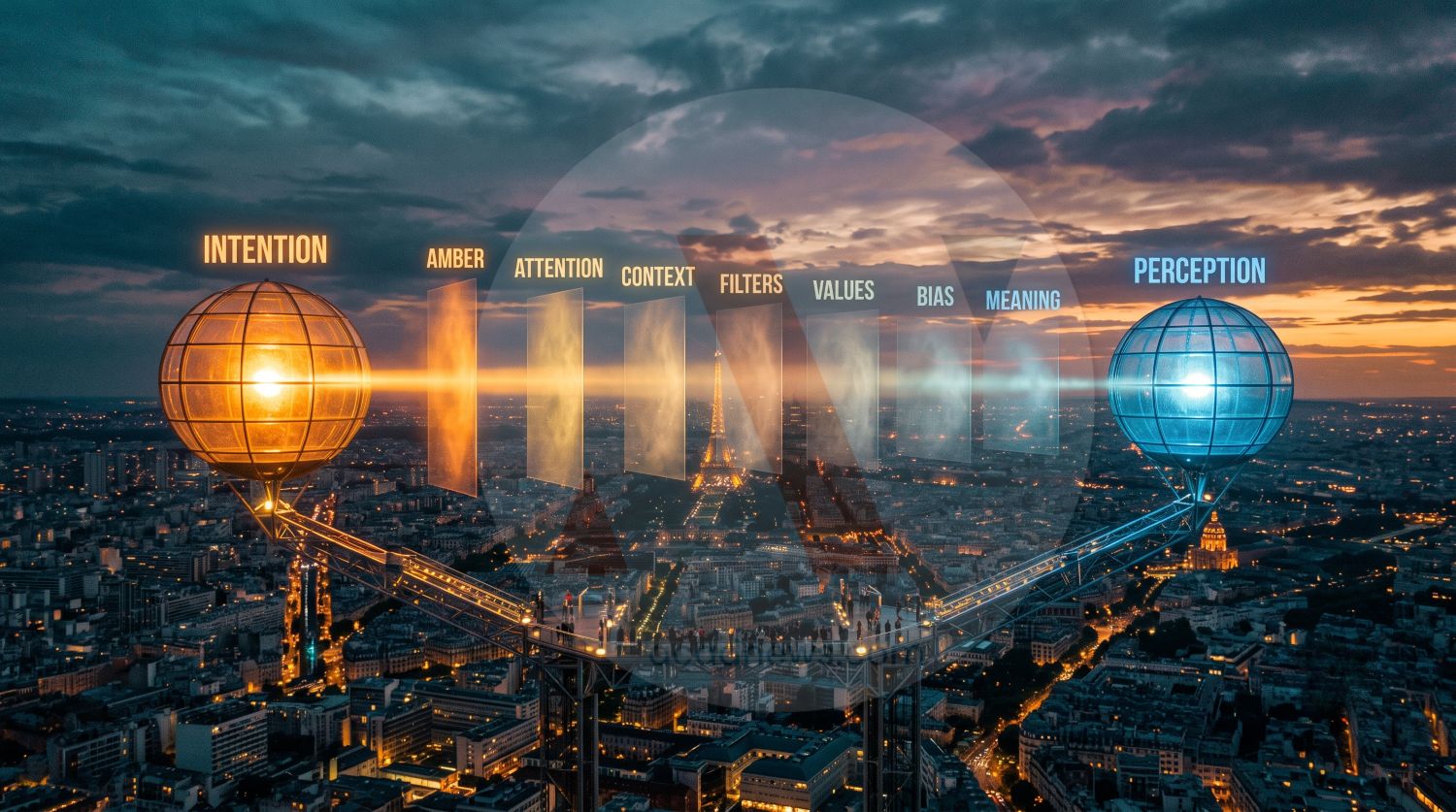
When it is perfectly expressed through gesture of hasta–abhinaya movement or angika– abhinaya and sattvika– abhinaya or facial expression, the dancer becomes something beyond and unfolds another great art into herself- the art of Natya or drama. Then she becomes the story teller or the actress. To do perfect justice to the story telling aspect or in delineating a particular character in drama, Aharya– Abhinaya (expression through costume) becomes part of the four fold aspects of the dance. It is therefore not a demonstration of techniques but more than that, it is a narrative that is done by the dancer with the active participation of the audience. When said, active participation, the meaning here is the participation of the audience through their experience and relish. Isn’t this the crux of the rasanubhava that is the ultimate goal of a dance offering? When the viewer is able to perceive dance as an expression of a physicality, is able to allow himself to be gripped and therefore involved in what is being portrayed and at the end takes back the relish of rasa and the beauty derived from it, this anubhava can be termed as a Rasaubhava.
Today the audience is different and diverse, it is no more about the dancer’s prowess, but the impact and the anubhava. This is what Bharathanatyam is meant to be, a dance that evolved with the need to be approachable and relatable to the present physical, emotional, cognitive struggles achievements of the common man. The era of the new age depiction in Bharathanatyam is making strides in fulfilling these efforts.
- Leesa Mohanty “Rasa Sutra and the factors of Art construction.” 2009 (http://www.narthaki.com/info/articles/art247.html)
- Mrinalni Sarabhai “Creations.” Ed. DeveshSoneji, Bharathanatyam- A Reader (Oxford University Press) p. 363.
SMITA RAJAN |
About the Author
Smita Rajan a certified Dance and Movement Therapist and Mental Health Practitioner is a Co-founder (Programs and Outreach) at Thunai Trust (www.thunai.org) – An organization working in Trauma-Resilience building and Maternal Mental Health. She also teaches Bharathanatyam and Movement classes at her institution, Parampara—Dance for wellbeing. |

SMITA RAJAN