The recent conference themed “Integral to Inclusion,” organized by Sri Sathya Sai Vidya Vahini, was a remarkable experience that brought together thought leaders, educators, and change-makers dedicated to promoting sustainable practices. The ambiance was filled with an aura of optimism and commitment, as participants passionately engaged in meaningful discussions about the pressing issues of our time. It was an honor to address such an illustrious audience, exchanging ideas that are not merely impactful but transformative for our society.
In an era where machines like GPT represent the pinnacle of artificial intelligence, we face an equally significant challenge in the realm of sustainability. The crux of the issue lies in determining where to begin our efforts to address this global concern. Can we genuinely hope to tackle sustainability problems by exclusively focusing on technological advancements, or are we neglecting critical elements that underpin meaningful progress?
The education landscape of today is producing graduates who embody characteristics that seem counterproductive to the goals of sustainability and collective well-being. Unfortunately, many graduates emerge from academic institutions less resilient and more resistant to change; they are overloaded with information yet often lack the ability to implement their knowledge effectively. Many are employable to a degree, but they remain largely unempowered, valuing material possessions over the sanctity of life and human connection.
These educated individuals often exhibit agility in thought and action, but they struggle with inner stability, becoming more self-centered than selflessly devoted to serving society. They find themselves increasingly isolated, focusing on professional pursuits forgetful of personal growth and societal contributions. Ultimately, many are trapped in a so-called “rat race,” pursuing ambiguous goals without a clear purpose or understanding of their implications for the world.
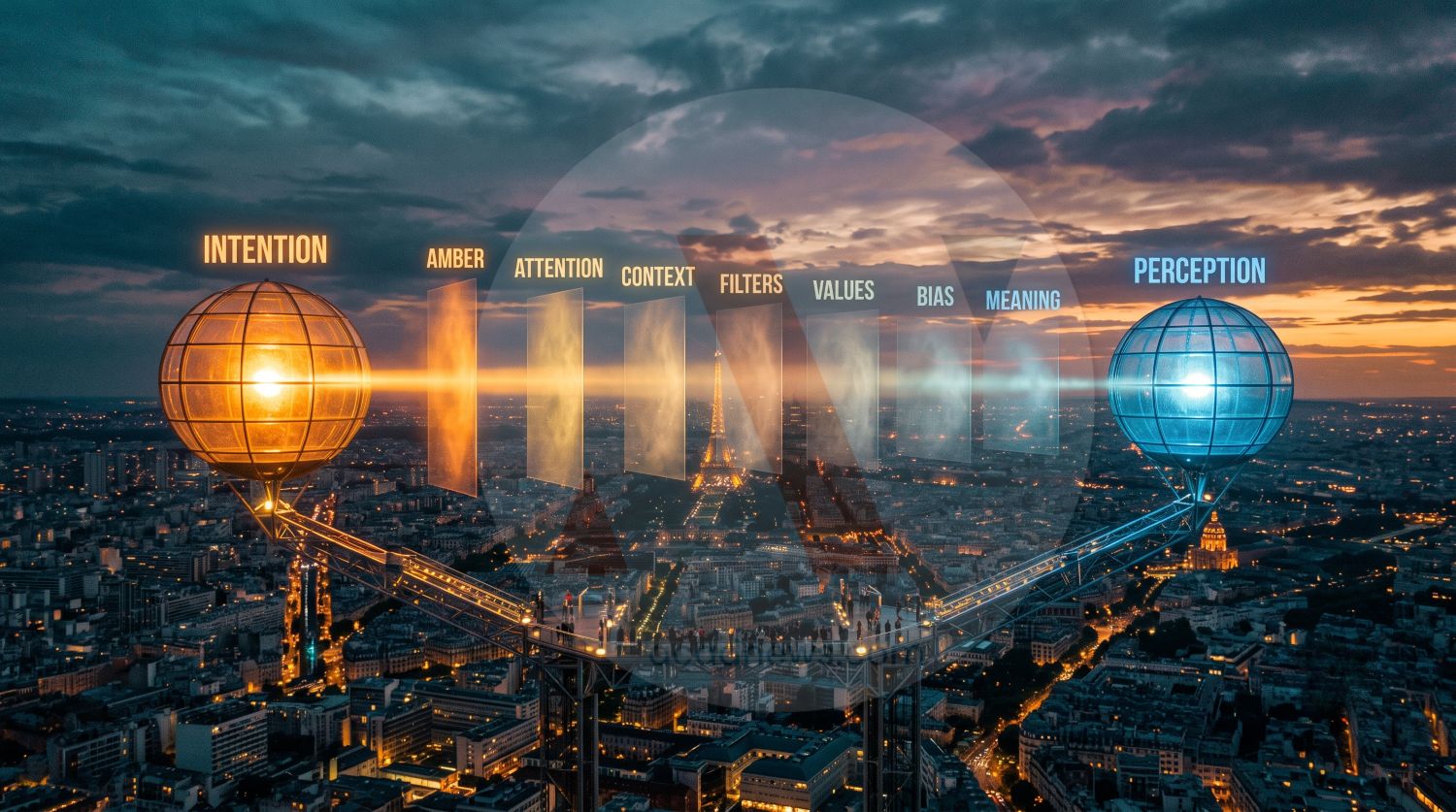
How can we expect to effectively address global sustainability issues when the dominant traits of our future leaders reflect such a disconnect? The heart of the matter lies not in technology but in our collective mindset. We require a transformation at the level of consciousness—what I would describe as “Minds Built for Sustainability” (MBS). This new paradigm calls for individuals who not only possess the expertise to innovate and lead but also embrace compassion, environmental stewardship, and social responsibility.
Industry 5.0 is heralding a new era characterized by human-centricity, resilience, and sustainability. In this context, it is crucial to cultivate the value of human values: Sathya (Truth), Dharma (Righteousness), Shanti (Peace), Prema (Love), and Ahimsa (Non-violence). These values lie at the heart of creating MBS. Education systems must evolve to become platforms that facilitate the acknowledgment and reinforcement of these inherent human values during the learning process.
The wisdom of Sri Sathya Sai Baba resonates profoundly in this conversation. He articulated a “peace formula” on Jan 13, 1970, in the Brindavan ashram, Bengaluru, that emphasizes individual transformation as the pathway to global peace. He stated:
“Where there is righteousness in the heart, there will be beauty in character;
Where there is beauty in character, there will be harmony in the home;
Where there is harmony in the home, there will be order in the nation;
Where there is order in the nation, there will be peace in the world.”
This holistic perspective highlights the importance of nurturing the inner self as a precursor to creating harmonious societies. The education system serves as the most powerful machinery for transformation, capable of addressing the global challenges we face today. By fostering a culture that emphasizes the development of MBS, we can fulfill the promise of “quality education” and align our efforts with Sustainable Development Goal 4 (SDG4).
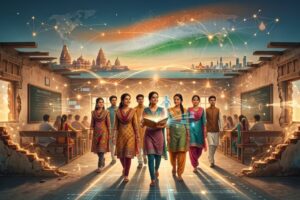
Fostering MBS is not just about improving academic performance; it is about nurturing a new generation of leaders who approach their roles with empathy, integrity, and a commitment to the greater good. Such an educational approach can create environments where students are encouraged to connect deeply with others, explore complex societal issues, and contribute positively to their communities.
To achieve this transformation, educational institutions must embrace a curriculum that prioritizes emotional intelligence, social awareness, and ecological consciousness alongside traditional academic subjects. Schools, colleges, and universities should promote experiential learning that encourages students to engage with their communities, fostering a sense of belonging and responsibility toward society at large.
Additionally, partnerships with local organizations and global initiatives can enrich the educational experience, providing students with practical opportunities to apply their knowledge in real-world contexts. This synergy between education and societal needs will not only prepare individuals for the workforce but also cultivate the critical thinking and problem-solving skills necessary to innovate solutions for contemporary challenges.
As we stand at this pivotal moment in history, the call for an educational revolution is apparent. If we can harness the power of the education system to cultivate MBS, we can equip individuals to confront global sustainability challenges head-on. The vision is clear: education must transcend the boundaries of traditional approaches, integrating holistic values that bind individuals together in their quest for a sustainable future.
In conclusion, the benefits of such an educational focus are manifold. We will see the emergence of motivated, compassionate leaders empowered to make impactful decisions, resolved to address the pressing issues of our time. The world can indeed sublimate the problems of sustainability into oblivion if we invest in an education paradigm that fosters holistic development—building individuals who are ready to drive societal change and embody the principles of peace, love, and righteousness articulated by Sri Sathya Sai Baba. The journey towards a sustainable planet begins with education—an indispensable tool for fostering the change we wish to see in the world.











What an inspiring and thought-provoking piece! I completely resonate with the idea of “Minds Built for Sustainability” (MBS) as a necessary shift in our education system. It’s crucial that we cultivate not just knowledge but also empathy and responsibility in our future leaders. The emphasis on human values like truth, righteousness, and love really speaks to the heart of what we need to foster in our society. I’m particularly drawn to the connection between individual transformation and global peace highlighted by Sri Sathya Sai Baba. If we can integrate these principles into our education, we can raise a generation that not only understands sustainability but actively pursues it. Let’s advocate for educational reforms that emphasize emotional intelligence and community engagement. Together, we can create a brighter, more sustainable future! 🌍❤️