


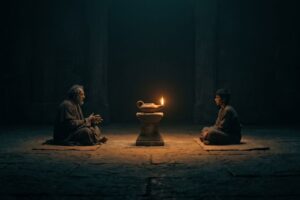

The history of education in India dates back thousands of years, with a rich tradition of learning and knowledge dissemination. Education in ancient India was primarily imparted through gurukuls, where students lived with their teachers and received holistic education.
Ancient Period:
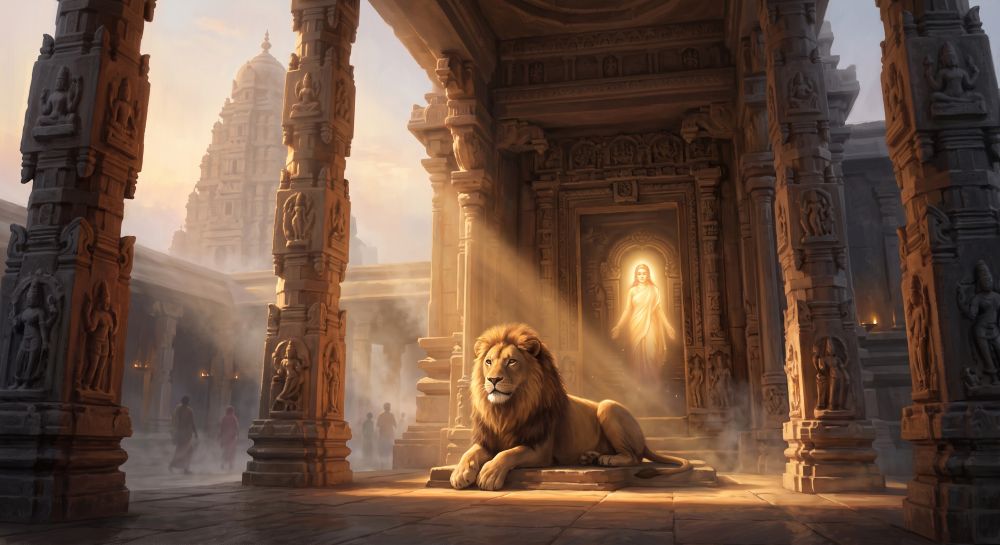
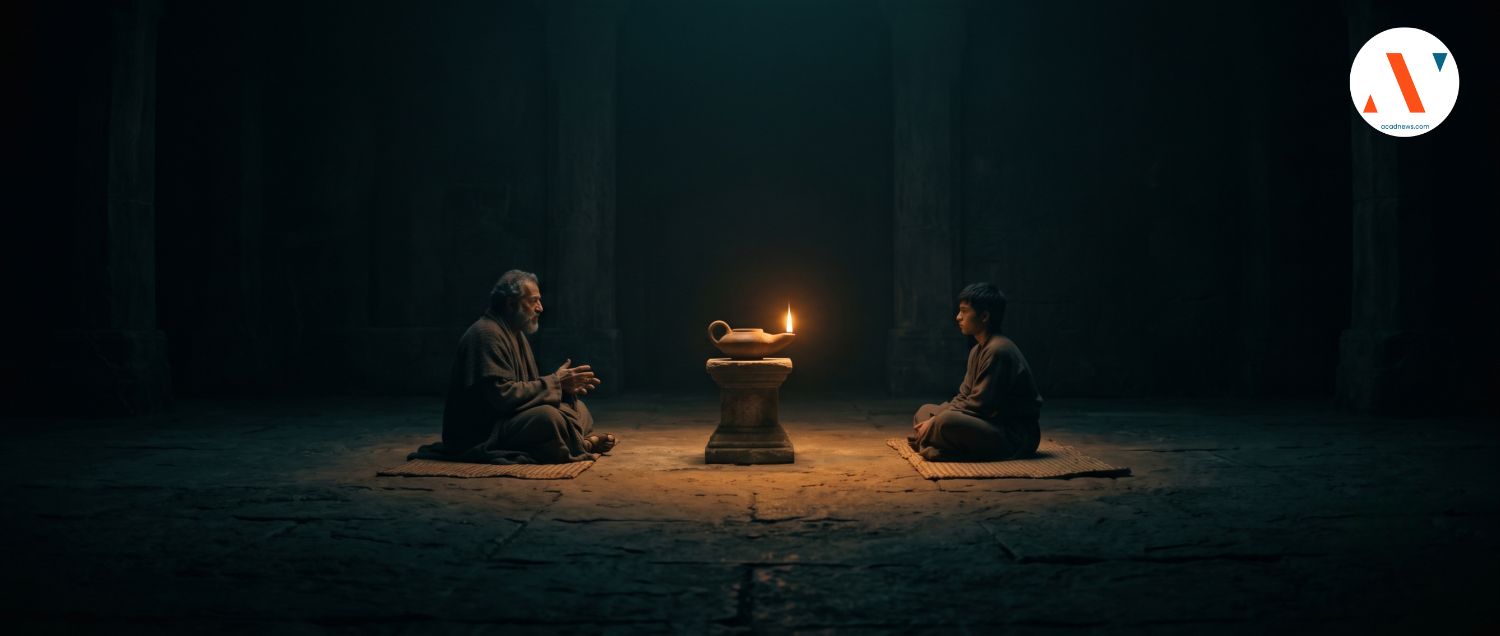
During the ancient period, education in India was centered around the Vedas, the oldest sacred texts of Hinduism. The gurukul system was prevalent, where students would live with their gurus (teachers) in an ashram-like setting. The curriculum included subjects like mathematics, astronomy, philosophy, and literature, along with religious and moral teachings. The gurus played a crucial role in shaping the character and intellect of their students.
Medieval Period:
In the medieval period, Islamic influence brought about changes in the education system. Madrasas (Islamic schools) were established, focusing on religious teachings, Arabic, Persian, and Islamic law. These institutions also played a role in preserving and translating ancient Indian texts into Arabic and Persian.
Colonial Period:
The arrival of European colonial powers, particularly the British, had a significant impact on education in India. The British East India Company and later the British Raj introduced a formal education system based on western models. The focus shifted to English education, and institutions like the Calcutta Madrasa and Sanskrit College were transformed into modern schools and colleges.
The British introduced the English education system to produce a class of Indians who could serve as intermediaries between the British administration and the local population. This system emphasized subjects like English language and literature, science, and mathematics. The establishment of universities like the University of Calcutta (1857) and the University of Bombay (1857) marked the beginning of higher education in India.
Post-Independence:
After gaining independence from British rule in 1947, India focused on expanding access to education for all its citizens. The government introduced various policies and initiatives to promote education, especially in rural areas. The Right to Education Act (2009) made education a fundamental right for children between the ages of 6 and 14.
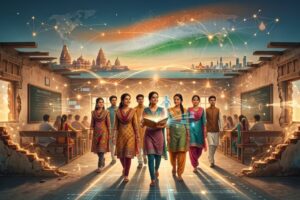
The Indian education system today comprises a mix of traditional and modern approaches. It includes formal schooling, vocational education, and higher education institutions. India has a vast network of universities, colleges, and research institutes that offer a wide range of disciplines. The Indian Institutes of Technology (IITs) and Indian Institutes of Management (IIMs) are renowned globally for their quality education.
Challenges and Future Outlook:
Despite significant progress, India still faces challenges in its education system. Issues such as access to education, quality of education, regional disparities, and skill development need attention. The government is actively working on reforms to address these challenges and promote inclusive and quality education.
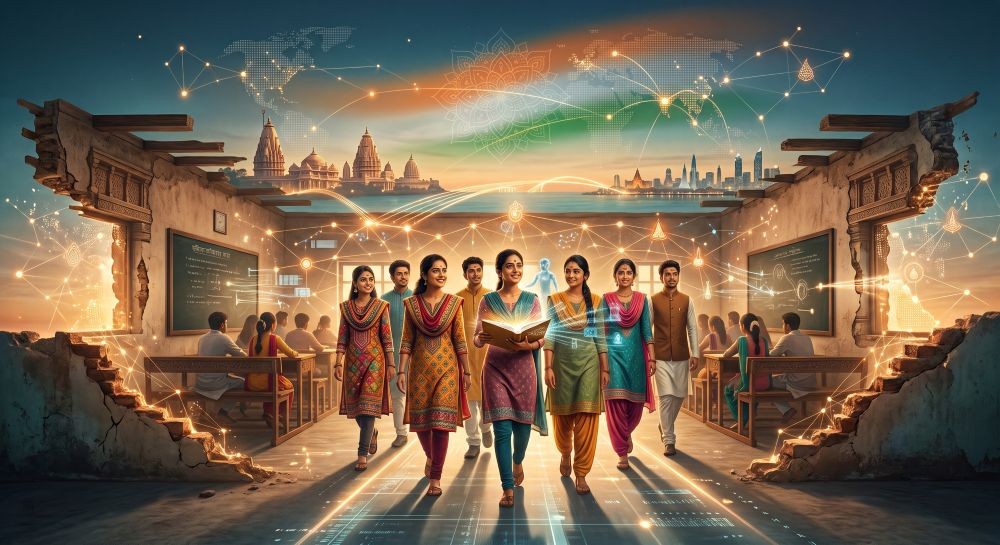
In recent years, there has been a growing emphasis on integrating technology in education, promoting digital literacy, and fostering innovation and research. The National Education Policy 2020 aims to transform the education system by focusing on holistic development, multidisciplinary learning, and skill enhancement.
Conclusion:
The history of education in India is a testament to its rich intellectual heritage and the continuous evolution of its education system. From ancient gurukuls to modern universities, India has embraced diverse educational approaches. While challenges remain, the government’s commitment to reform and the country’s growing emphasis on education bode well for the future, ensuring that India’s education system continues to grow and adapt to the changing needs of society.
Citations:
- Chandra, S. (2004). Medieval India: From Sultanate to the Mughals-Delhi Sultanate (1206-1526) – Part One. Har-Anand Publications.
- Kumar, D. (2016). A History of Education in India. Dorling Kindersley Pvt. Ltd.
- Ministry of Education, Government of India. (2020). National Education Policy 2020. Retrieved from https://www.mhrd.gov.in/sites/upload_files/mhrd/files/NEP_Final_English_0.pdf
- Sengupta, P. (2011). Education in Ancient India. Indian Journal of Psychiatry, 53(3), 310-316.
- Sharma, R. S. (2005). Perspectives in Social and Economic History of Early India. Munshiram Manoharlal Publishers.